
A Tor Browser exploit chain has been shown to reveal a user’s real IP address when they visit a single malicious web page. Researchers demonstrated it against Tor Browser 15.0.22 with default settings, and the flaw was fixed in version 15.0.23.
The attack needs one click from the victim. It then runs through four stages and ends with the browser opening a direct connection to the attacker, outside the Tor network.
Why a leaked IP matters for Tor users
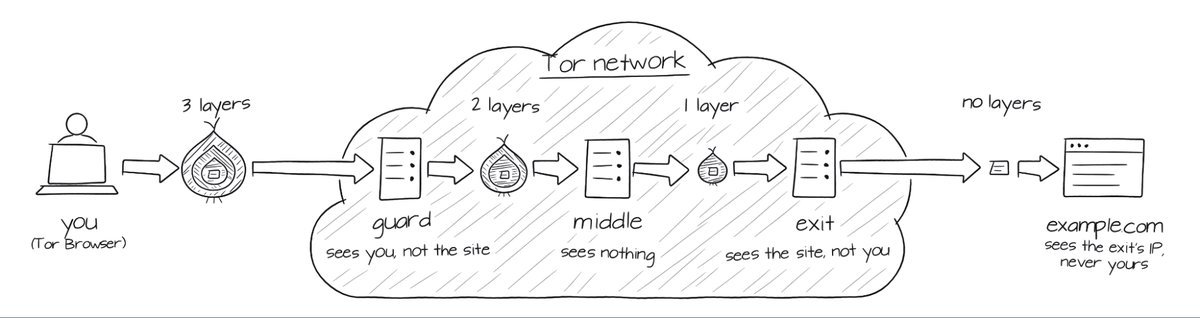
Tor Browser ships a hardened Firefox ESR build next to a separate Tor daemon. When someone visits an ordinary site, that site sees the address of an exit relay. With .onion services, both sides meet at a rendezvous relay and never learn each other’s addresses.
All of that depends on the browser never opening a connection that skips Tor. This Tor Browser exploit makes it do exactly that.
How the exploit chain works
The researchers split the attack into four phases.
- The victim opens the page and clicks once, which creates a same-origin popup. A bug in how Firefox’s engine handles stream reads between the two windows leaves a view over memory that has already been freed. The flaw is tracked as CVE-2026-92027.
- The attacker uses that stale view to defeat address randomization, find where the browser’s core library is loaded and take control of a memory region.
- Code running inside the content process forges a navigation record carrying the browser’s highest internal privilege level, then asks the parent process to reload it.
- The privileged page opens a raw network socket to an address the attacker chose, and the attacker reads the victim’s public IP from the incoming connection.
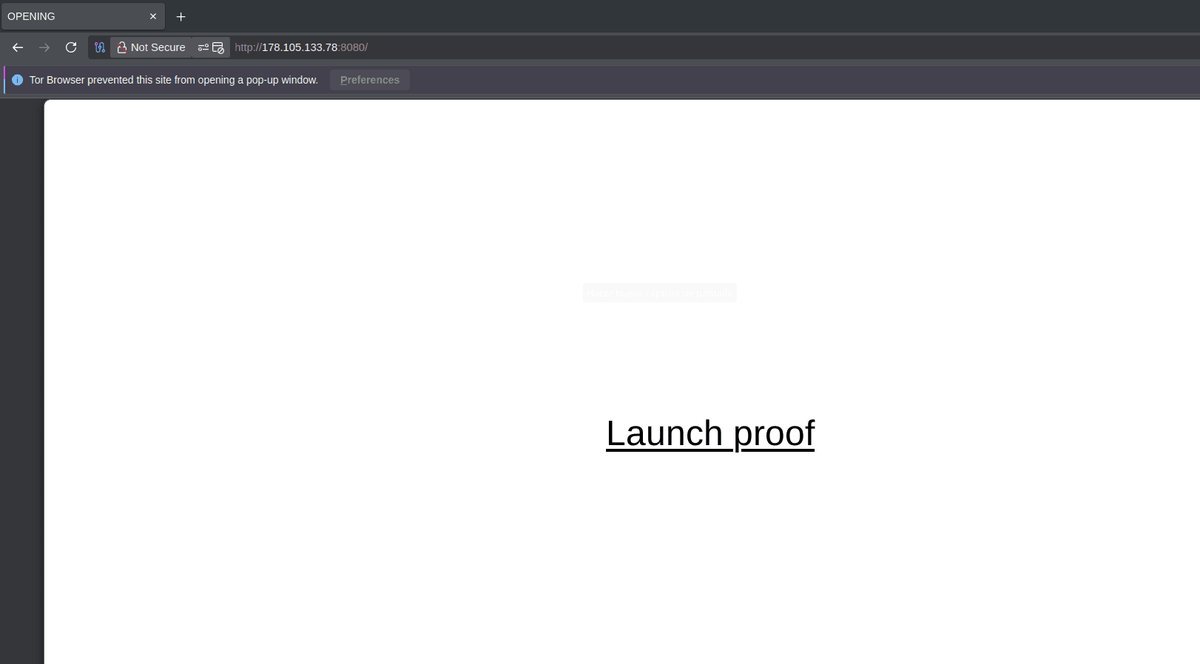
Tor Browser blocks popups that open without user action, so the page asks the visitor to press a button first.
Two memory tricks behind the leak
The first memory bug comes from two windows of the same origin sharing a buffer through a byte stream reader. When the streams are put into an error state at the same moment, the engine loses track of who owns the backing memory. Garbage collection then frees it, but the page still holds a working view of the old address and length.
The attacker fills the freed space with objects it can recognize, such as 24,000 blob-backed allocations in the first pass and 240,000 marked buffers in the second. Reading those through the stale view reveals where the browser’s library sits in memory. Address randomization changes that location on every run, but not the internal layout, which is why a leaked pointer is enough to find everything else.
The step that skips Tor
The last stage is the one that exposes the user. The forged record points to an internal developer-tools page, which reads a host and port from its own address and connects to them directly. That connection does not go through the proxy settings Tor uses for web traffic.
The attacker’s server doesn’t need to speak any special protocol. Once the TCP handshake completes, the source address is already visible. Depending on the setup, that is the device’s own public IP or the address of a VPN or NAT gateway. Meanwhile, requests made by the page itself still appear to come from a Tor exit relay, so nothing looks wrong from the user’s side.
The parent process also contributes to the problem. It rejects javascript: addresses, but it accepts the principal and URI in a history entry sent by the content process, and checks only that the target browsing context exists. In effect, it treats content from an untrusted process as proof of authority.
Who is affected and what to do
The demonstration targeted Tor Browser 15.0.22 on default settings. Version 15.0.23 contains the fix, so users should update Tor Browser now.
The researchers also point out that the browser is a single layer of defense. People whose safety depends on staying anonymous can pair it with dedicated devices and careful habits, so one browser bug doesn’t expose them.
- Update to Tor Browser 15.0.23 or later.
- Avoid clicking buttons on untrusted pages, even when nothing seems to happen.
- For high-risk use, run Tor on a dedicated device or a separate environment.
What to watch after the patch
The chain combines a memory-safety flaw in Firefox’s stream handling with a trust problem in how the parent process accepts navigation state. Fixes to both areas will matter for future Firefox and Tor Browser releases.
Users on older builds stay exposed to this Tor Browser exploit until they upgrade. The full write-up also gives other researchers a detailed map of where to look next.
Source: Calif