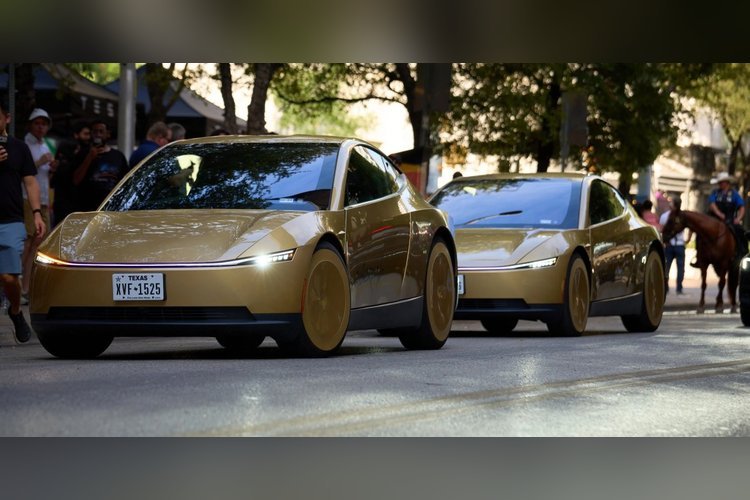
The Tesla Cybercab fleet in Texas has passed 1,000 registered vehicles for the first time. On Thanksgiving, the company registered a record 285 Cybercabs in a single day, which brought its Texas Cybercab fleet total to 1,107, according to Texas DMV data.
It’s the biggest one-day jump in registrations so far, and it comes just over a week after Tesla began offering Cybercab rides in Dallas.
Registered is not the same as riding
The DMV figures count vehicles Tesla has registered in the state. They don’t say how many are carrying passengers at any given moment. A registered car can still be waiting for software validation, depot time or a spot in a service area.
The numbers do show the pace, even allowing for the gap between registered and running vehicles. A fleet with more than 300 cars running in Austin in October now has 1,107 registered across Texas. The last official fleet update came in October, when Tesla said more than 300 Cybercabs were running in Austin. That count has almost certainly grown since then, though Tesla hasn’t published a new one.
Where the fleet runs today
The registration total is statewide, but the service is not.
Cybercabs currently operate in two cities, Austin and Dallas. Dallas rides started just over a week ago, and Tesla registered 200 additional Cybercabs right before that launch.
This week Tesla also nearly doubled the Dallas Robotaxi service area, which now covers 150 square miles. A bigger zone means more trips can start and end inside the network, and it gives a larger fleet somewhere to work.
Put the pieces together and the sequence is clear: a batch of 200 registrations, a city launch, a wider service area, then a record 285 registrations on a holiday. Tesla is adding vehicles faster than it is adding cities.
Customers are next in line
Until now the fleet has been a company asset: Tesla buys, registers and operates every car. That is about to change.
The Cybercabs on Texas roads won’t all belong to Tesla for long. The company has started selling Cybercabs to select customers in Texas. Elon Musk has said sales will go nationwide as regulators approve the vehicle, and first deliveries are expected next month.
Musk has also said owners could begin adding their vehicles to the Robotaxi network as early as December. A line in Tesla’s updated first responder guide, saying Tesla owns every Robotaxi, hints that customer-owned Cybercabs could soon join the fleet and make that wording out of date.
- Sales to select Texas customers have started.
- First customer deliveries are expected next month.
- Owners could add their cars to the Robotaxi network as soon as December.
- Nationwide sales depend on regulatory approval.
What the Tesla Cybercab count means for riders
For anyone who lives in Austin or Dallas, a bigger Cybercab fleet should mean shorter waits and more places to get picked up, provided the registered vehicles actually reach the road. Tesla hasn’t said how quickly the new registrations turn into active cars.
The company hasn’t named the next city either. With registrations climbing this fast, other Texas markets where the Robotaxi service already runs, including Houston, San Antonio and Fort Worth, look like the likely places for Cybercab to appear next.
What to watch in December
Tesla has been clear about its direction but vague about dates, so the next few weeks carry most of the evidence.
Three things will show whether the Tesla Cybercab fleet is turning into a real network. The first is the official count of active vehicles, which Tesla last gave in October. The second is whether first deliveries to customers arrive next month as planned. The third is whether owners are allowed to put their cars into the Robotaxi network in December, as Musk has suggested.
If all three happen on schedule, the Cybercab fleet in Texas will stop being a Tesla-only operation within weeks. If any slips, the registration total will still be a useful marker of how many vehicles Tesla has ready to go.
Source: Not a Tesla App