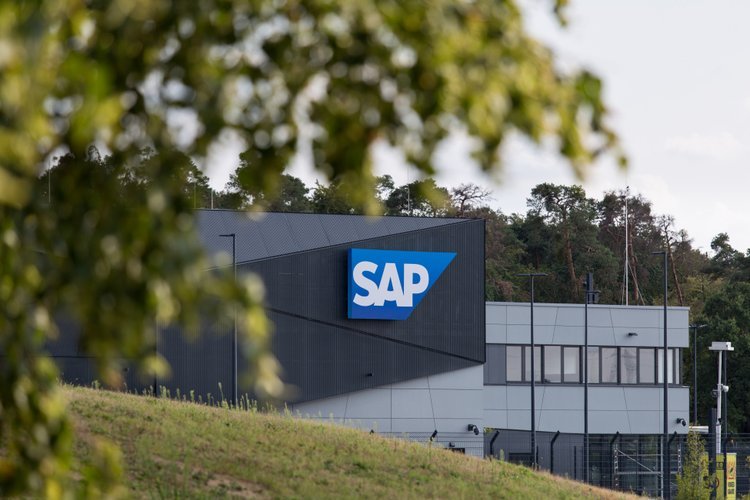
SAP is reportedly preparing to cut at least 10,000 jobs, more than 9% of its workforce, as the German software maker rebuilds itself around artificial intelligence. The final scope of the SAP layoffs could still change.
The timing looks odd on paper. SAP just posted a strong quarter, with sales and adjusted profit both above analyst forecasts and a cloud contract backlog of €24.11 billion that also beat expectations. The backlog is a measure of revenue the company has already contracted but not yet booked. Strong numbers rarely sit beside a job-cut plan of this size, which is why the story has drawn attention beyond the software industry.
The pattern is familiar in tech: a company posts good results, then trims staff to pay for a strategic bet. Here the bet is AI built directly into the products that run back-office work for its customers.
Where the cuts would land
Product, engineering and sales teams are expected to take the biggest hits. Executives have also asked other departments to look for savings.
Germany may be spared the worst of it. SAP and a labor council in its home country have reportedly agreed an “employment guarantee” that runs through 2028. That points to most of the reductions falling on staff in other markets, though nothing public confirms the geographic split.
Nobody has said when the cuts would start. SAP has tended to announce restructuring programs in January, and it followed that pattern for its last big round, which removed about 10,000 roles in 2024 at a cost of roughly €3 billion. A similar bill this time would not be surprising.
The AI push behind it
The layoffs are said to be tied to SAP’s drive to build more AI into its products. The company is best known for enterprise resource planning (ERP) software, which large businesses use to automate back-office work and share data between departments. It also sells cloud services for sales automation and customer support.
At a user conference in May, SAP introduced Joule Work, an AI interface meant to give employees one place to reach SAP applications instead of clicking through many screens. It arrived alongside Joule Assistants, a set of AI agents that SAP says will use more than 200 subagents to handle repetitive business tasks. A third offering, Industry AI, targets workflows specific to individual sectors.
If those tools do what SAP promises, the company needs fewer people building and selling the old way. That is the logic investors will probably read into the news.
Signs it was coming
The reports aren’t a complete shock. Last week, Chief Financial Officer Dominik Asam told attendees at an investor event that SAP expects its headcount to fall. Two of the company’s six directors are also said to be leaving as part of the shift to a more AI-centered strategy.
SAP hasn’t confirmed any numbers. Its statement said only that it “continuously reviews its organization to ensure it remains aligned with its strategy and customer needs.”
What to watch next
The first open question is whether SAP puts a firm figure and a date on the program. Reports say the scope can still shift, so 10,000 is a floor in the current telling, not a commitment.
The mix of affected roles matters too. Product and engineering are expected to see large cuts at the same moment the company is selling an AI roadmap built on new agents. Sales is on the list as well, which sits oddly beside a cloud backlog that grew past forecasts.
The 2024 round gives a rough template. That program removed about 10,000 roles, cost around €3 billion and was announced in January. If this one follows the same calendar, the formal announcement is a few weeks away. SAP hasn’t said so, and the company’s only comment so far is the general statement above.
For SAP’s customers, the practical question is whether a leaner product organization changes release schedules or support. Nothing in the reports says it will. For employees outside Germany, the 2028 guarantee covers only the home market, which leaves the burden of any reduction on teams elsewhere.
Source: SiliconANGLE