
The PolinRider campaign, linked to North Korean threat actors, has planted malware in at least 7,609 GitHub repositories owned by 2,330 accounts, most of them developers. Researchers say the loader reached 2,040 repositories between October 27 and November 6, 2026 alone. Evidence now suggests the PolinRider campaign began as early as February 2025.
How the loader works
One strand is a 58-line Python loader hidden in a small utils package or in conftest.py. When Python imports the file, the loader reads the newest transaction an Ethereum wallet sent to itself, decodes its input data as JavaScript and runs it with Node.js. That script reads a second wallet to find the command-and-control server and hands the next stage to a detached Node.js process.
Researchers found this loader in 375 public repositories across 260 accounts. They found no evidence it was distributed through PyPI or npm.
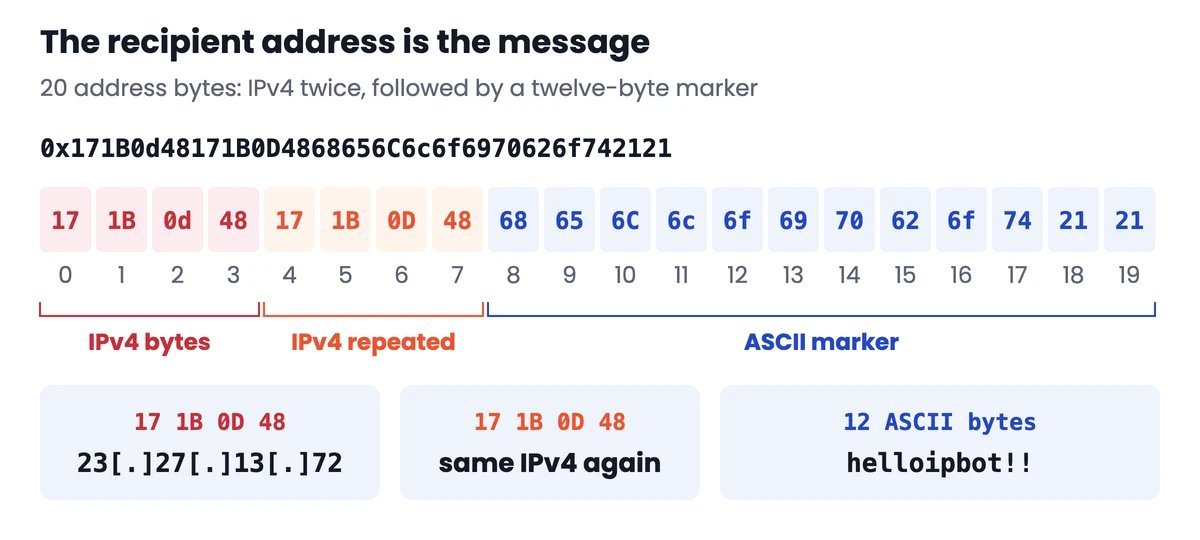
The trick is a technique called NullReceiver. The server address is hidden inside a made-up wallet address, and part of that address always decodes to the text “helloipbot!!”. Because the loader looks up its server on the blockchain, taking a server down changes nothing. One new transaction points every infected project to a replacement.

What it steals
The second-stage payload, an encrypted Node.js script, scans the infected computer for developer tools including GitHub Desktop, Cursor, VS Code and Google Antigravity. It tampers with the most-used ones to run attacker code and deliver infostealer malware. The exact payloads in the latest wave are unknown, but earlier waves installed a stealer that took environment secrets, browser passwords, cookies and wallet data.
How developers get hit
- Fake recruitment: phishing emails and fake hiring portals such as BlockNovas, AccuraSoftHire and HuntRole push candidates to run malware-laced take-home projects. Some sites ask for a “driver” to pass a camera check, or use ClickFix lures that get victims to paste commands into a terminal.
- Poisoned packages: hijacked maintainer accounts push obfuscated malware through fake font files, VS Code auto-run tasks and rewritten Git history.
- Stolen tokens: compromised developer machines leak GitHub tokens, which attackers use to force-push malicious commits into repositories those developers can access.
The attackers rewrite commits the developer already made, keeping the author, message and date, and hide the loader after hundreds of spaces in a build config. Building the project runs it. In the newest wave, opening the folder in VS Code is enough.

Pull requests that vanish
A GitHub account named Eternity0207 opened more than 200 pull requests against projects including AsyncAPI Generator, CircuitVerse and Open Food Facts, then force-pushed a modified commit carrying the loader. The AsyncAPI maintainer said the payload stayed on the branch for 30 to 40 minutes before another force-push made the final diff look clean. The account has since been suspended. Victims named include Neutralinojs, InstaWP Connect and fxhash.
An older trail for the PolinRider campaign
Separate research found a May 2025 attack, eight months before the earliest documented victims. Nine itsa-prefixed npm packages, including itsa-utils and itsa-cli, were poisoned within 90 minutes through a hijacked maintainer account. They used EtherHiding, a precursor to NullReceiver, to fetch a downloader that delivered the InvisibleFerret backdoor, a Socket.IO remote access tool and a stealer. The same maintainer’s repositories show the spread behavior in four windows between January and July 2026, and blockchain records push the attacker activity back to February 2025.
The PolinRider campaign is assessed as a sub-cluster running alongside the long-running Contagious Interview campaign. Contagious Interview gets into developer machines through social engineering, and PolinRider uses that access to turn repositories into a distribution channel.
What developers should do now
Check build configs and conftest.py files for unexplained code, especially long runs of whitespace. Treat unsolicited coding assessments from recruiters with suspicion and never run them on a machine holding work credentials. Maintainers should rotate GitHub tokens on any machine that ran a suspect project, and review recent force-pushes on their repositories.
Source: The Hacker News