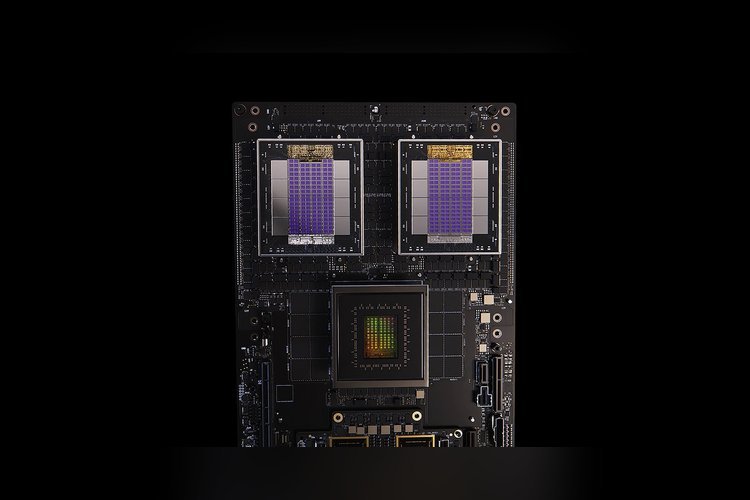
NVIDIA is pitching NVLink Fusion as a way for large cloud operators to build AI data centers around their own chips without giving up NVIDIA’s networking and rack design. The technology is a mix of high-bandwidth, low-latency interconnect and IP that lets hyperscalers and AI-native companies run their own XPUs and CPUs inside NVIDIA’s platform.
NVIDIA calls the result a semi-custom AI factory. The customer brings the silicon, and NVIDIA supplies the scale-up and scale-out stack plus the MGX rack-scale architecture.
The numbers behind the pitch
NVLink 6 links 72 XPUs to one another, giving each one 3.6 TB/s. With the NVLink Switch Chip, a 72-accelerator domain (NVL72) reaches 260 TB/s in total. NVIDIA says SHARP FP8 support brings 4x bandwidth efficiency.
The roadmap goes further. NVIDIA’s roadmap lists domains as large as 1,152 accelerators.
Three building blocks
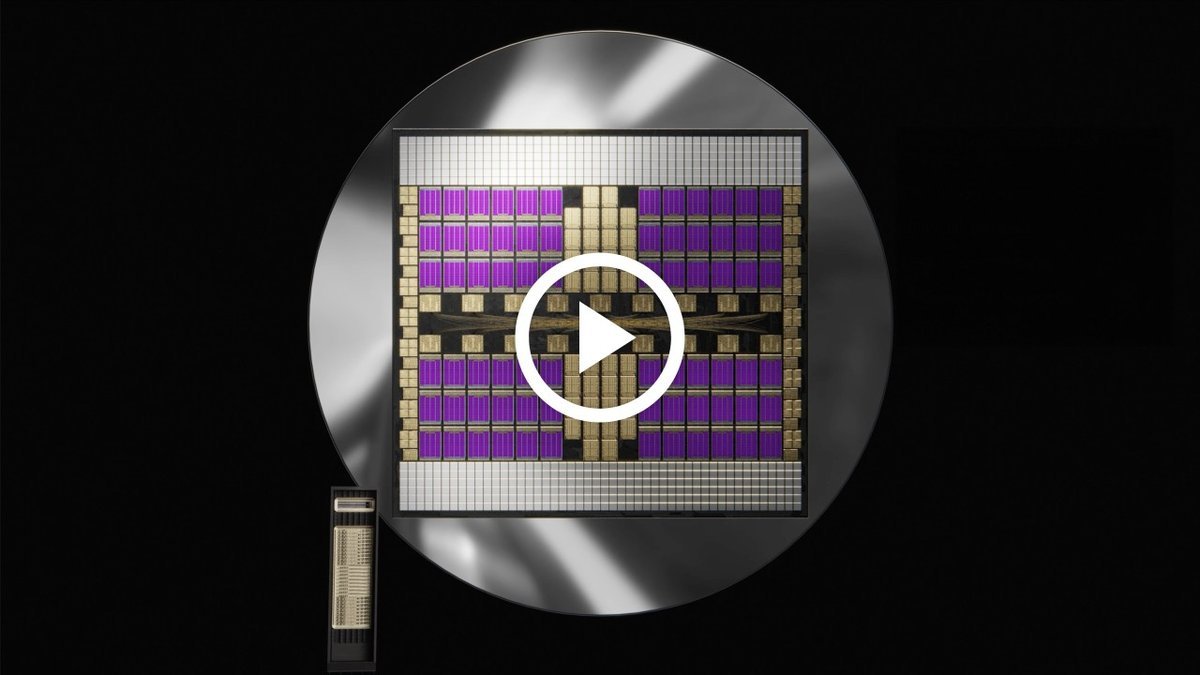
The platform rests on three pieces of technology:
- NVLink, including NVLink 6 and the switch chip, which handles scale-up communication between accelerators.
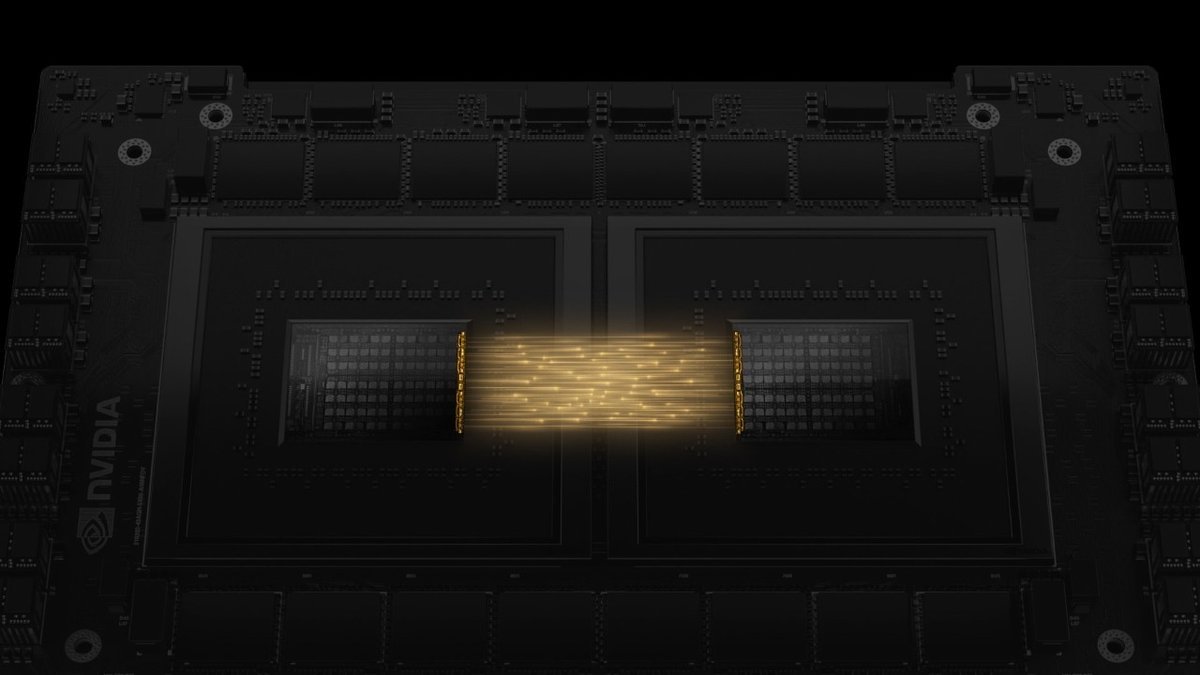
- NVLink-C2C, a chip-to-chip interconnect that gives NVIDIA GPUs or CPUs a high-bandwidth, coherent link to custom silicon built with chiplets.
- NVHBM, a next-generation HBM design with its own NVIDIA-built base die and controller, validated with major memory makers. NVIDIA says it adds bandwidth, lowers HBM power and frees silicon on the XPU.
Mixing XPUs and GPUs in one building
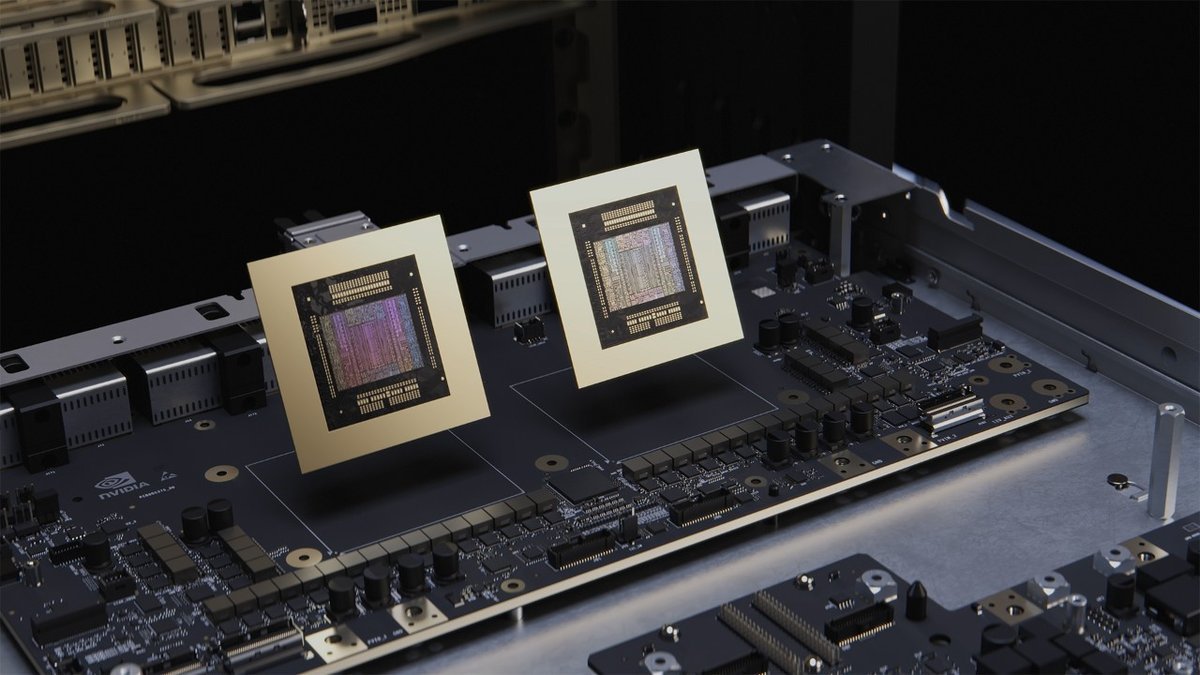
The MGX rack architecture is the practical hook. XPU-based and GPU-based systems, such as the Vera Rubin NVL72, can be designed into the same data center. They can sit in the same racks and share networking, cooling, power and management.
That has two consequences. Operators can build the facility without waiting on chip availability, so a building doesn’t sit idle while a custom chip is delayed. They can also change the mix of XPU and GPU systems later as needs shift.
NVIDIA says adopters can run several XPU types, or XPUs beside GPUs, for split-up inference and other uneven workloads. Customers also buy from the supply chain behind NVIDIA’s own MGX systems, so they skip designing new racks and vetting new suppliers.
The wider hardware lineup
NVLink Fusion sits inside a broader modular portfolio that covers GPUs, Vera CPUs, co-packaged optics switches, SuperNICs, DPUs and Mission Control management software. NVIDIA also sells complete racks for semi-custom builds:
- The Vera Rubin NVL72 rack, which can run alongside XPU systems.
- The Vera CPU rack, aimed at agentic AI and reinforcement learning.
- The LPX rack, for high-context, low-latency inference.
- The STX rack, for AI-native storage.
- The SPX rack, for networking between racks.
The sovereign AI angle
NVIDIA also targets sovereign AI, meaning a country’s capacity to build AI from its own infrastructure, data and talent. Governments want models shaped by their own languages and priorities.
The company says local chip developers can start from a tested stack and add their own tuning. Domestic AI factory builders can work from a standardized, flexible architecture and build in parallel with custom chip development, so the site is productive from day one.
The ecosystem behind the program includes CPU partners, custom silicon partners, technology partners and optical interconnect partners.
What it means for chip designers
Designing a custom accelerator is only half the work. The memory stack, the links between chips, the racks and the supplier relationships all have to exist before the chip is useful. NVLink Fusion bundles most of that into one offer.
For companies designing their own accelerators, the offer is simple. They keep control of the chip and borrow NVIDIA’s interconnect, memory design and rack architecture instead of building all of that themselves. NVIDIA, for its part, keeps its platform at the center of data centers that include non-NVIDIA silicon.
In NVIDIA’s words, the outcome is one semi-custom AI factory that no single company could build by itself.
What to watch next
The claims here come from NVIDIA’s own product description, and no independent benchmarks accompany them. The things to watch are which custom silicon partners ship NVLink Fusion-based systems, how soon the larger domain sizes up to 1,152 accelerators arrive, and whether operators actually mix XPU and GPU racks in the same facility as NVIDIA suggests.
Source: NVIDIA