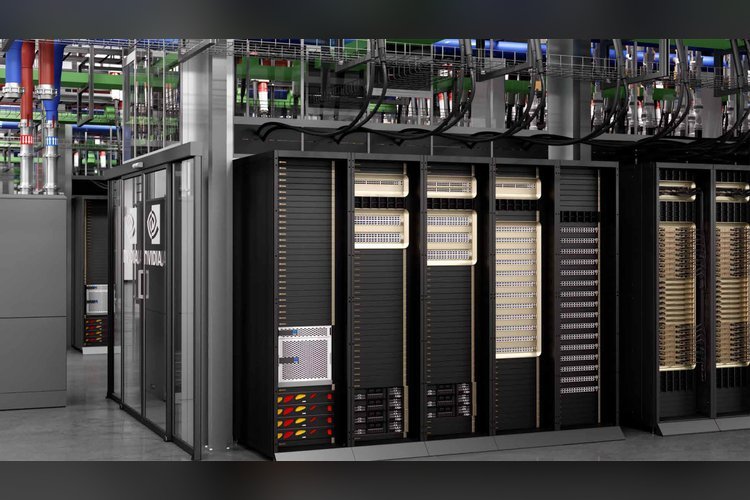
Export-controlled Nvidia Blackwell China hardware has turned up in a Shanghai data center, in a case that now touches a U.S. trade blacklist and a criminal investigation. Two Chinese companies installed the machines, including a GB300 NVL72 rack, one of the most capable AI systems Nvidia sells. Washington has never allowed Blackwell chips into China without a license.
The hardware was apparently pledged as security for a loan. Loan paperwork is how it came to light.
What was found in Shanghai
One of the two companies put the GB300 NVL72 rack up as collateral for a 96 million yuan loan (about $14 million) from Shanghai Innovation Bank. The second company, Shanghai Kezhan, installed a GB200 server, which also runs on Blackwell silicon.
That second system surfaced in documents tied to a separate 90 million yuan loan from late 2025. The lender was a finance-leasing firm wholly owned by a local Shanghai government agency.
Blackwell parts are sold only to whitelisted buyers. Nothing in the loan records explains how racks like these ended up inside China, and no one has said publicly that the hardware was smuggled.
The Megaspeed connection
The facility is linked to Alice Huang, who used to work at Megaspeed. Megaspeed was an Nvidia customer until concerns surfaced that it might be helping move restricted chips past the export rules that were meant to keep Blackwell out of China.
It’s not confirmed that Alice Huang or Megaspeed brought the Blackwell systems into the country. The overlap is still hard to ignore, because Megaspeed is under a criminal investigation over what it did with the chips it bought from Nvidia. In 2025, claims circulated that the company had helped route roughly $2 billion worth of Nvidia chips into China illegally.
- The Shanghai site is known as the Yangtze River Delta Project.
- In 2024, Megaspeed told investors it was its largest data center.
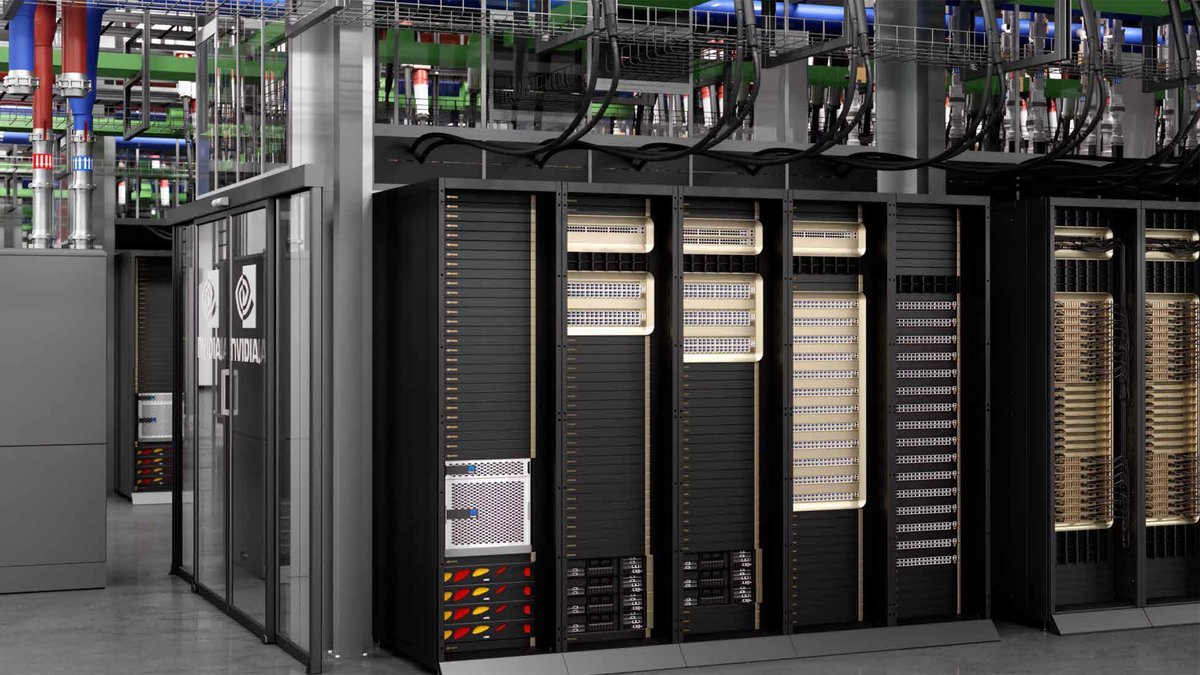
- The pitch used a render of the building and placed it in a “specific area” of an unnamed country.
That vague description now looks different. The facility was presented to investors without a country attached, and it has since been tied to a Shanghai address.
The Huang angle
The story is tangled up with Nvidia’s leadership. Chief executive Jensen Huang admitted to a personal relationship with Alice Huang when he resigned earlier this month. He is back in charge now after pressure from several quarters, President Donald Trump among them.
U.S. intelligence officials have suggested that Alice Huang is a Chinese spy. They now also believe her husband is deeply involved with China’s Ministry of State Security. Those are allegations, and neither person has been charged in connection with the Shanghai hardware.
Where the sanctions stand
Megaspeed has since been added to a U.S. trade blacklist. The restriction has a limit, though. American companies, Nvidia included, may still sell it lower-performance chips.
That split is typical of how the export rules work. The most powerful products need a license for China, while slower parts can flow more freely. A Blackwell rack in a Chinese data center sits on the wrong side of that line unless someone in Washington approved it.
Why Nvidia Blackwell China shipments matter
The finding feeds a long argument about whether export controls can hold. Rack-scale systems like the GB300 NVL72 are large, expensive and hard to move quietly, so their appearance in a bank loan file is a notable data point. Anyone could read it as evidence of a gap in enforcement.
It also raises questions for Nvidia. The company has to show regulators that its customers and their resellers are who they say they are. A lender-side paper trail that exposes hardware the vendor never sold directly to China makes that harder.
For the Chinese lenders involved, the loans are now a liability. A state-owned leasing firm and a commercial bank both took restricted hardware as security, which invites uncomfortable questions about their due diligence.
What happens next
The Megaspeed criminal investigation is the main thing to watch. Any finding on how Blackwell systems reached Shanghai would probably come out of that case or from further U.S. action on the blacklist.
Nvidia will likely face pressure to explain how its sales records line up with the racks in Shanghai. Regulators could also look harder at financing arrangements, since this case shows hardware can surface through loan documents long before it appears in a shipping record.
For now, three things are established: Blackwell hardware is running in a Shanghai data center, it was used to back loans of roughly $14 million and 90 million yuan, and the people connected to it are already under U.S. scrutiny. How it got there is still unanswered.
Source: Tom's Hardware