Data correlation attacks are getting cheap. Security researchers say language models can now join scattered leaked data about a household in roughly 24 minutes for about US$6.80 in model spend, work that once took a skilled analyst hours of manual lookups.
The malware hasn’t changed. What fell is the cost of linking one clue to the next.
The ten piles of data that never touched
An ordinary household leaves traces in at least ten separate places: stolen-credential dumps traded in criminal channels, public certificate logs that reveal an organization’s hostnames, DNS-derived subdomain lists, social posts, group photos, corporate blog posts and customer stories, people-search broker files, ad-tech location feeds, older breaches at other companies, and scan databases such as Shodan and Censys.
Each pile has its own owners, formats and buyers. Learning about one person meant carrying clues between piles manually, so the practice stayed rare.
A well-known case shows what a curious human could do. In January 2018, Nathan Ruser, an Australian student then aged 20, studied Strava’s public heatmap and noticed glowing circuits in Syrian and Afghan desert. Soldiers were running laps along base fences. The map had been online for two months.
What models do well
The skill that matters for security is judging whether two records refer to the same thing. Databases always matched identical IP addresses. Models also manage fuzzy matches: a deck visible in a holiday snapshot against satellite imagery, a forum user’s prose against a LinkedIn page, or a Wi-Fi name like HART-HOME against a surname on a warranty form.
A person once had to inspect and decide each case. An agent finishes them in seconds at any volume its operator can afford, and it never gets bored. GeoSpy, a tool that drew attention in January 2025, guesses a photo’s location from its plants, buildings and road paint. General-purpose models can now approximate that when asked.
A teenager’s pirated game
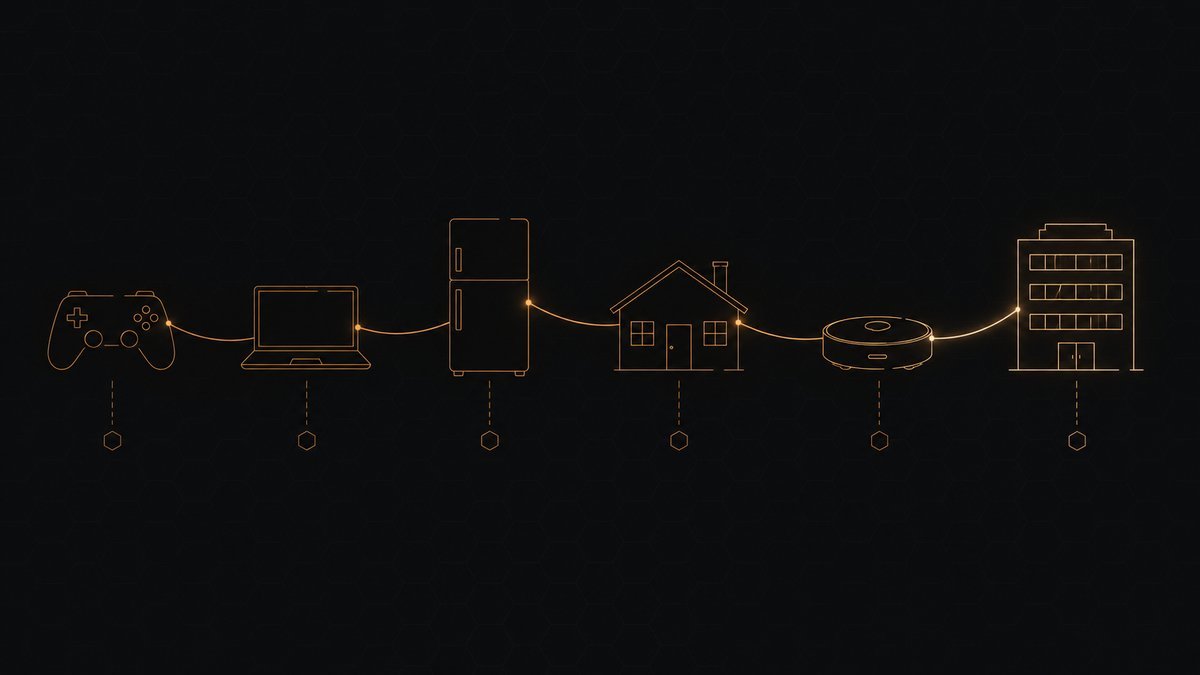
Researchers illustrate the point with a made-up household. Leo, 14, installs a pirated game with a keygen on the lounge PC. The keygen also drops an infostealer that grabs saved passwords, cookies and sessions in about 40 seconds and then removes itself. An agent buys the log for US$10 and chains the clues:
- The household’s public IP matches leaked appliance telemetry, exposing a fridge account, the Wi-Fi name and a plaintext Wi-Fi password.
- The owner’s email, found in a 2024 retailer breach, gives a name and street address. A people-search broker then lists four residents.
- The surname and town lead to the father, a senior network engineer at a regional power-line operator.
- Certificate logs list 214 hostnames for that employer, including vpn., remote. and sso. Scan data identifies the VPN appliance model.
- A vendor case study names the employer, and a 2019 breach supplies the father’s old password pattern.
- Ad location data places a phone at the employer’s control room on weekdays, 07:40 to 16:30.
At the 24-minute mark the agent has hacked nothing, yet it lists three possible routes into the employer. All its inputs were already leaked, for sale or public.

The real cases behind each link
The fridge step rests on a real exposure. In February 2025, researcher Jeremiah Fowler came across an open database with 2.7 billion records from Mars Hydro, which makes app-controlled grow lights. It contained Wi-Fi names and passwords, IP addresses and device IDs. A home shares one public IP across all its devices, so a stealer log and an appliance log can be tied together by that single number.
The vacuum step has a real precedent as well. In February 2026, Sammy Azdoufal wanted to steer his DJI Romo vacuum with a PS5 controller. While using Claude Code to study how the device talked to DJI’s servers, he discovered that his own token opened roughly 7,000 vacuums across 24 countries, with camera feeds and floor plans included. DJI fixed the flaw after his report.
The location step echoes the Gravy Analytics breach of January 2025, in which attackers took location records collected through ad auctions in thousands of everyday apps. Knowing a home address makes supposedly anonymous location points identifiable.
The economics
The researchers assume one household in 400 holds a person worth targeting. They concede the ratio is invented and may be optimistic. At US$8,000 of analyst time per household, finding that one target costs more than US$3 million. An agent’s bill is about US$8,000, and the job fits in a weekend. That is roughly a 400-fold drop in cost per target.
The same approach works against applications. A tester with a five-day budget and 400 API endpoints used to choose about thirty to examine closely. An agent can read every script bundle, route, archived page, public commit and error message, and treat boring endpoints as seriously as interesting ones. Most runs turn up nothing, at a cost of cents. The finds come from places a human skipped, like a forgotten export endpoint.
What households and companies can do now
At home, the advice is to keep work accounts off shared family computers, move smart appliances onto a guest network, and replace any password found in a breach. Have I Been Pwned can show which ones were.
Organizations should treat correlation as free. Employees’ home networks, their children’s PCs and old breached passwords are about twenty minutes from a VPN portal. Remote access paths need phishing-resistant MFA, such as passkeys. Teams should look for staff credentials and sessions in stealer logs, read their own certificate transparency entries, and tell vendors not to name the security product in any customer story.
Source: fenko.nz