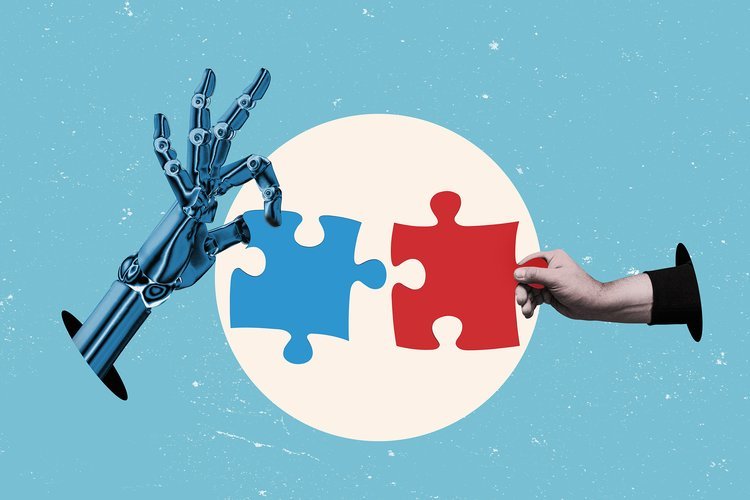
Software vendors that bolted a chatbot onto every dashboard are being urged to rethink it. The argument for a bring your own agent model is simple: business customers already pay for an assistant such as Claude, ChatGPT or Microsoft 365 Copilot, so vendors do better exposing their product to it than building a rival.
Customers already picked an assistant
Over the past two years, nearly every software company felt pressure to add AI. Chat panels appeared in the corner of dashboards, “summarize with AI” buttons sat beside text fields, and pricing pages gained AI credit line items.
Meanwhile, someone in IT or finance at the customer has often already evaluated, contracted and security-reviewed a company-wide assistant. Employees are trained on it, legal has approved it, and it increasingly holds context from documents, email, meeting notes and internal wikis.
Now picture a company using eight or ten business tools that each ship their own assistant. Interfaces, limits and data policies differ, and none share what they know. The help desk AI can’t see the CRM, and the CRM’s AI can’t see the project tracker.

What the model changes for vendors
Bring your own device let employees use personal hardware. Bring your own key let customers plug their own AI provider key into software. Bring your own agent goes further: the customer brings the assistant itself, with its context, permissions and approvals in place.
A founder who runs help desk software lists the vendor-side benefits:
- No token reselling. Building on a model provider means buying compute wholesale, tying margins to someone else’s pricing. With this approach the customer’s subscription covers compute.
- No race against frontier labs. A normal-sized vendor won’t out-build them on general assistants, but it can be the best tool they connect to.
- Clearer product choices. The question shifts from which AI features to build to what the product can do and how cleanly it exposes that.
- A new channel. AI clients have connector directories, and independent MCP registries are growing.
Built-in AI keeps a place for background jobs such as automatic ticket categorization. The conversational assistant, the argument goes, belongs to the customer.
How MCP delivers it
The practical route is an MCP server. The Model Context Protocol is an open standard that lets assistants discover and use tools in outside applications. Claude, ChatGPT, Microsoft Copilot Studio and other clients support it. A vendor describes actions such as searching records, creating items or updating statuses, and the assistant uses them within that user’s existing permissions.
There are two ways to ship one. A hosted endpoint over streamable HTTP means the customer adds a URL, signs in, and installs nothing, and every fix reaches everyone at once. A local package, such as an npm tool, runs on the user’s machine. The company behind this recommendation is phasing out its local package, because installed copies can’t be updated and customers on old versions missed newer features.
Security is the larger factor. Large organizations increasingly refuse third-party code on employee machines after a stream of critical vulnerabilities and supply chain attacks, including compromised npm packages. Approving an HTTPS endpoint from an already-vetted vendor is an easier conversation. It also fits how companies deploy AI: administrators typically set up organization-wide connectors once and release them to everyone. Supporting OAuth sign-in lets each employee connect with their own account.
Why the sprawl problem matters
A question like which of our biggest accounts filed support tickets this week, and what did we promise them in the last renewal call, only works if one assistant can see both the help desk and the meeting notes. Separate built-in chatbots can’t answer it. A single assistant with connectors to each tool can, and each vendor only has to expose its own data and actions cleanly.
What vendors should do now
For product teams, the work is making core functions well-structured and well-permissioned, then listing the server in client directories. A bring your own agent strategy won’t suit every product, but for B2B tools competing with a customer’s existing assistant, it avoids a fight they’re unlikely to win.
Source: Entrepreneur