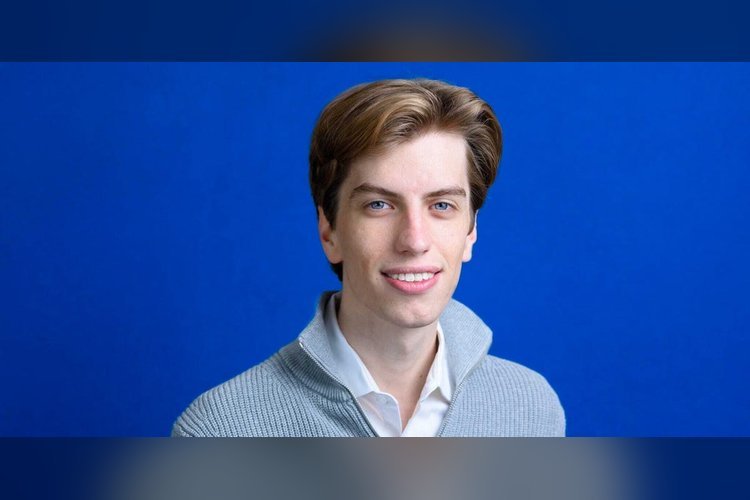
Leopold Aschenbrenner’s leaked investor letter is a 167-page bet that artificial intelligence will rearrange the economy, and the Aschenbrenner investor letter doesn’t spare gold, skyscrapers or Nvidia. The former OpenAI researcher runs the hedge fund Situational Awareness, which nearly collapsed during an AI sell-off in July.
After the letter leaked, a stock analyst put it online. It sets out how he expects AI to reprice entire asset classes.
Why this fund’s view draws attention
Back in 2024 he argued that AI would reshape the economy far faster than most expected. Many of those calls proved right, and early backers of Situational Awareness earned outsized returns.
Then July arrived. With so much money in AI stocks, the fund couldn’t absorb a short market reversal. Ken Griffin’s Citadel rescued it late in the game, at the price of a big part of its public equity holdings. The wedding of Aschenbrenner and the chief of staff to Anthropic CEO Dario Amodei fell in the same stretch.
The letter doubles as his comeback plan. Five predictions stand out.
Gold loses its safe-haven status
Central banks sit on huge reserves, and nervous investors have bought gold in shaky markets for decades. Aschenbrenner thinks that habit ends. By the early 2030s, he says, asteroid mining becomes practical, and a glut of space-sourced metal would crush the price.
Real estate gets cheaper
A New York tower commands its price for two reasons, he says: location and build quality. AI-driven robots, he predicts, will cancel out both.
Cities would matter less economically as robots shift industry to deserts, oceans and “perhaps eventually beyond this planet.” Robotic engineering crews would also cut the replacement cost of grand buildings.
The Mona Lisa keeps its value
Art gets a kinder forecast. He rates Leonardo da Vinci’s portrait as perhaps the best buy-and-hold asset available. Even in a world of robot-built towers, famous works are historical artifacts and should keep commanding huge prices. The catch, he noted, is that France isn’t selling.
Nvidia’s engineering edge fades
Nvidia once held the title of the world’s most valuable company. Aschenbrenner doubts it can keep earning like this.
He points to recursive self-improvement, the process of AI models upgrading themselves. Once models can do that, he argues, they will design and build chips at much lower cost, and Nvidia’s engineering know-how will matter far less. In his telling the models amount to millions of engineers who work better and faster than any person.
The Nvidia call is the most pointed for markets. It runs against the common view that demand for AI chips keeps the company ahead for years. Aschenbrenner’s argument is that the same technology driving that demand will eventually do the chip designers’ jobs.
Anthropic as the most valuable company
Situational Awareness has been a major Anthropic investor for a long time, and Aschenbrenner’s wife works there. The letter stays upbeat on the Claude-maker, describing a company that attracts top AI talent and sells a product that scales better than OpenAI’s.
He also expects Anthropic to squeeze more intelligence out of less compute. By some measures, he wrote, that could make it the most profitable company in the world by the end of 2027.
What to make of it
Taken together, the letter describes a world where scarcity moves. Metals become plentiful because they can be mined off Earth. Buildings become cheap because robots construct them. Prime locations lose their premium because industry no longer needs to sit in cities. What stays valuable, in his view, is whatever AI can’t copy, such as a painting with centuries of history behind it, and the companies at the center of AI itself.
These are forecasts from a fund manager with a stake in the outcome. He is bullish on Anthropic, bearish on Nvidia, and recovering from a near-collapse. That doesn’t make him wrong. His 2024 call about the speed of AI’s economic impact aged well. But the asteroid timeline and the robot-built skyscrapers are bets on technologies that don’t exist yet.
What to watch next
The next test is the fund itself. Situational Awareness still has to rebuild after losing part of its equity book, and its Anthropic holding makes its results tied closely to one company. If AI stocks swing again, the letter’s confidence will be tested in real time. Readers tracking the Aschenbrenner investor letter should also watch whether Nvidia’s chip design business shows any sign of the erosion he describes.
Source: Business Insider