AI micro dramas now account for more than 90 percent of the new micro dramas released in China this year, actors, voices and scenes included. Government figures put the pace at roughly 1,600 new AI titles a day in the first half of 2026. A year earlier they barely existed.
The shift has been fast enough to empty out the work of people who used to star in the format.
The actors who lost their bookings
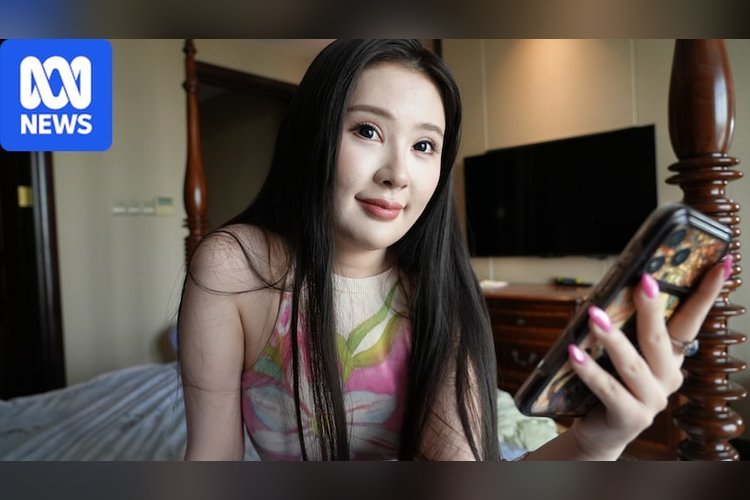
Oksana, a 26-year-old actor in China, says she used to be booked back to back on short-drama shoots. Micro dramas are serialised videos built for phones, usually with a lot of episodes and a cliffhanger at the end of each one.
This year the calls stopped. Many of the companies she worked with have moved to AI and no longer film live-action series, she says. Another former actor, Liu Yuzhan, says nearly all of the people he knew stopped getting call sheets after AI tools spread. He has been at home for months and now works as a delivery driver.
Oksana says friends in the industry tell the same story, and many have turned to livestreaming to make a living.
What the audience gets
Typical AI micro dramas lean on fantasy, underdog stories, romance, time travel and urban settings. Episodes are generally free to start. Viewers pay to continue once the cliffhanger lands.
One of the biggest hits of 2026 drew 6.08 billion views. In it, a woman wakes up in the Tang dynasty and gains power by slaying demons that roam the city. AI-made clips of pets and fruit with human features are also pulling in large audiences.
Oksana admits she is hooked herself. She describes watching 200 or 300 episode series without being able to stop, and says she leaves the sound on while she falls asleep.
Why producers prefer AI
Zhu Zhili, who develops AI micro dramas, says the old process needed real actors, built sets and studio time. Now a very small team at computers can generate the pictures, storyboards, audio, music and voiceover. Creators report that an AI drama can cost about a tenth of a traditional live-action shoot.
The sudden jump followed the release of strong video models, including ByteDance’s Seedance 2.0.
Policy points the same way. China wants AI agents, devices and applications to reach 90 percent penetration in key sectors by 2030, and its current five-year plan lists micro dramas as an emerging cultural business to be actively developed.
Volume does not mean profit
Cheap production has flooded the market. According to Zhu, China made 220,000 AI short dramas in the first half of the year. Only about 1,000 of them broke out, which he defines as passing 100 million views or making money. That is under 0.4 percent.
So the economics are harsh even for the studios that adopted AI early. Low costs let them release huge numbers of titles, but nearly all of those titles vanish without finding an audience.
- Production: a small team using AI for visuals, audio and voice.
- Cost: reportedly around one-tenth of live action.
- Output: about 220,000 AI short dramas in six months.
- Hits: roughly 1,000, or under 0.4 percent.
Where live actors may still matter
Oksana does not think AI will take over everything. She believes viewers will keep wanting real human acting in longer-form content, because AI content gets tiresome over time and, in her view, cannot match the imperfections and subtle emotion of a live performance. She calls AI drama formulaic.
That is her opinion, and the audience numbers so far point the other way for short formats. The next test is whether the 0.4 percent of hits can sustain a business large enough to employ the studios that make them, and whether any live-action work returns once the novelty fades. For now, the tools are cheap, the output is enormous and the actors are the ones absorbing the change.
Source: abc.net.au