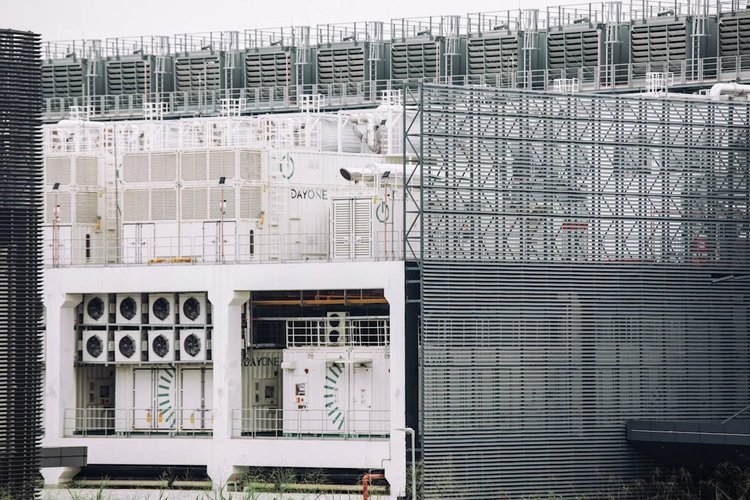
Banks are pausing billions of dollars of lending to Asian data centers that serve Chinese tech giants. New US AI chip curbs have rattled the market for AI debt in the region, and loans tied to ByteDance, Alibaba and Tencent are the most exposed.
Several transactions that looked nearly done are now uncertain. Banks that want to offload part of their risk can’t find takers.
Which loans are stuck
Lenders were already uneasy about the legal exposure of funding data centers and neoclouds that could fall under tougher US export rules. Jensen Huang’s unexpected return to Nvidia gave AI stocks a short lift this week, but it did little for those concerns.
People involved in the talks described three cases:
- Bain Capital’s Bridge Data Centres is seeking an enlarged $6.6 billion loan. Its Malaysian sites host clients such as ByteDance, and some lenders have slowed down to do more checks. Bain pointed questions to BDC, which declined comment.
- Digital Halo, backed by Partners Group, wanted $372 million, fully underwritten, for a Malaysian data center that serves Alibaba among others. One bank has walked away and others are probing further. Partners Group declined comment.
- Aolani, a Singapore neocloud with ByteDance as a customer, is after $480 million. Several banks were taking a second look last week.
ByteDance, Alibaba, Digital Halo and Aolani did not reply to questions.
Where the boom came from
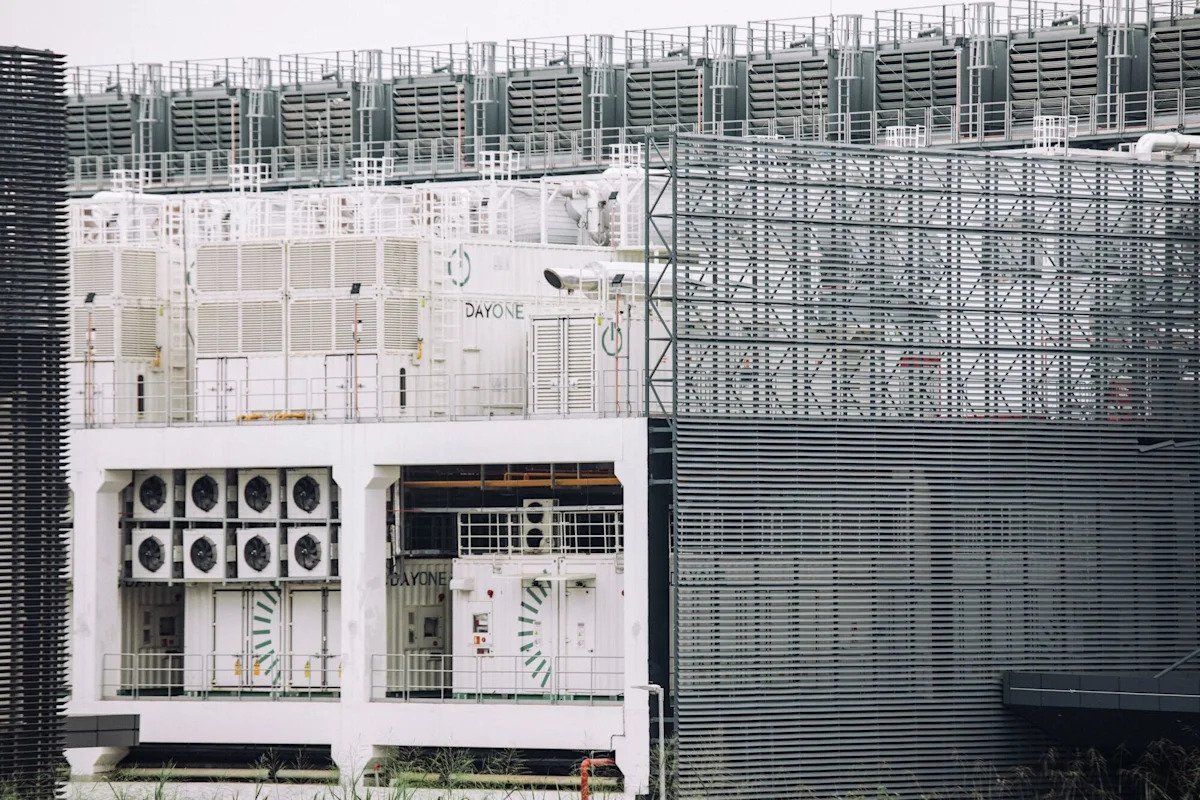
Washington’s 2022 limits on selling advanced chips to China, introduced under President Biden, gave rise to a cluster of Southeast Asian firms that let Chinese companies rent that hardware from afar. Data center lending in the region jumped in the years after. Financing the chips themselves had only recently started to grow, once banks warmed to the added risk.
The new licensing rule
Last week the US said buyers in Singapore, Malaysia, Indonesia, Thailand and Brazil need a government license to purchase advanced AI chips from American makers. Separately, data centers anywhere that rent out substantial computing power to Chinese customers must obtain another license to carry on, with 90 days to apply.
A lender’s logic is simple. Repayment depends on the facility’s customers and its hardware. If either could be cut off, the cash flow supporting the loan is in question.
Why the stall spreads
Banks routinely sell portions of big loans to other investors. When those buyers vanish, the original lender holds more risk than planned and has less capacity for new lending. So the freeze reaches past the three borrowers above.
Operators feel it too. Companies that scheduled expansions around expected financing may need to wait, search for other lenders or take harsher terms. The squeeze is sharpest for neoclouds, which rent out AI chips and need steady hardware supply plus customers willing to sign long contracts. Both now carry regulatory doubt.
What it means for borrowers and banks
Data center loans normally rest on long customer contracts. A lender looks at who signs the lease, how long it lasts and whether the tenant can keep operating. A licensing requirement adds a new question to every one of those checks: can this customer still get the chips it needs?
That is why due diligence is stretching out. Banks are asking for detail on which clients use each facility, how much compute they rent and what happens to the contracts if a license is refused or delayed. Operators with a mix of customers may fare better than those leaning heavily on Chinese tenants, though the rules reach any site that leases significant computing power to Chinese firms.
The timing is awkward for the sector. Lending to data centers in Southeast Asia had grown quickly, and chip financing was only beginning to attract mainstream banks. A sudden pause tests how much of that demand depended on the old rules staying put.
What to watch next
The 90-day window is the clearest milestone. Data centers serving Chinese firms must secure their second license in that time, and the results will show whether lenders come back. Also watch whether the delayed Bridge Data Centres loan proceeds, whether other banks copy the one that passed on Digital Halo, and what further guidance Washington gives on granting licenses.
Until then, expect more due diligence, slower approvals and a thinner pool of buyers for Asian AI data center debt.
Source: Yahoo Finance