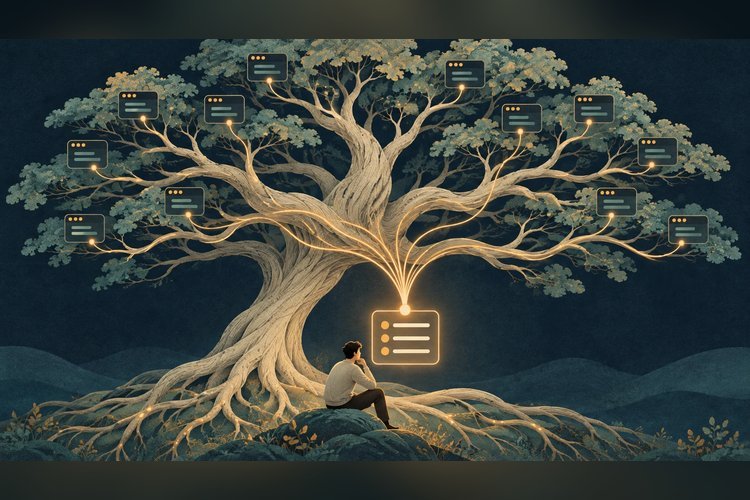
An engineering team has built a desktop app called Yggdrasil to run AI coding agents that finish work on their own and only bring a person in as a last resort. Its core idea is that agents should ask each other before they ask people. The developer behind it describes the goal as a single number driven toward zero: the items that need a human.
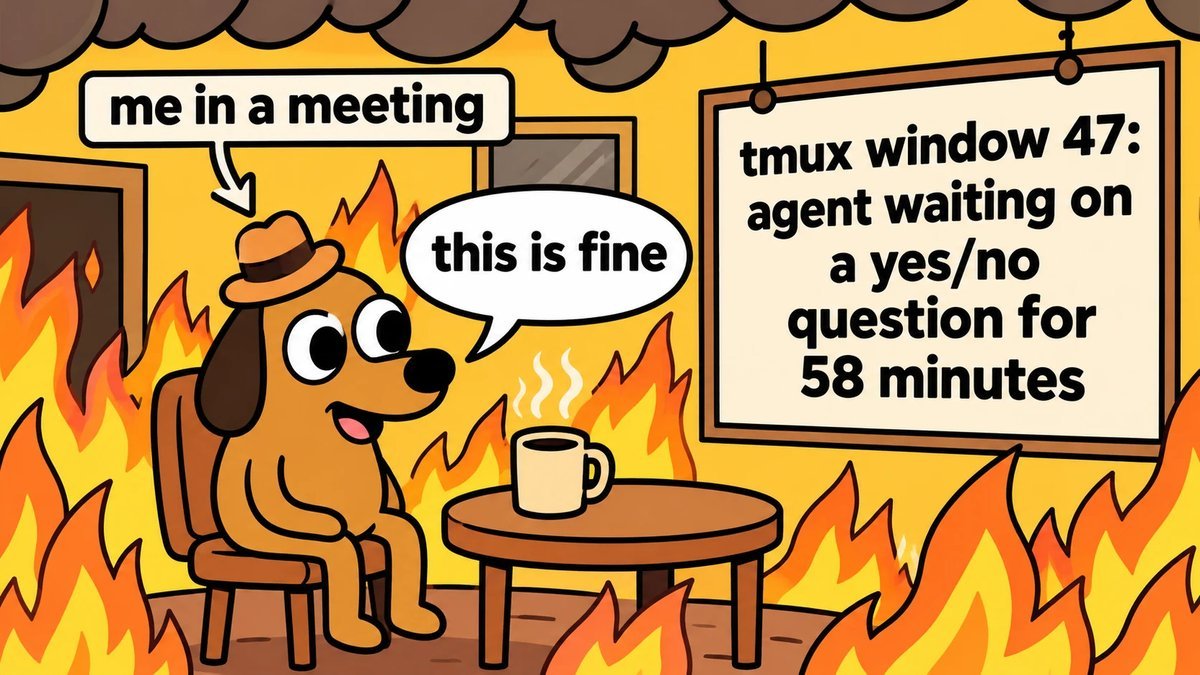
The project grew out of a bottleneck. Writing blockers and decisions where agents could read them removed one slowdown, and within two weeks the developer became the next one. Every task still waited for someone to open a tmux window, start a Claude session, point it at an issue, check whether it was stuck and push the pull request through review.
Three chores that eat the day
Driving agents by hand comes down to starting, checking and finishing work. Starting means noticing each issue, review request or failed CI run and launching a session, which stalls whenever the developer is in a meeting. Checking is hard because a session waiting on a question looks the same as a busy one. Finishing covers review, fixes, a green CI run, rebases and nudging quiet reviewers.
The aim was agents that handle all three, and eventually the deciding too. A stuck agent should work it out from the code, the history and the work graph. If it can’t, it asks the agents of whoever knows that part of the system. A human comes last.
Why they borrowed an orchestrator
The developer set six requirements. The tool had to run locally next to existing tools, drive Claude Code directly, handle work spanning several repositories, check escalations before they reach a human, pull work from GitHub across the organization, and track work as a dependency tree. No existing tool met all six. Firstmate came closest, and Multica and Paperclip each fell short in specific ways.
The team chose Steve Yegge’s Gas City on top of Claude Code and the Beads work graph. It keeps long-running sessions alive, notices idle or stuck ones and restarts them, which the team didn’t want to write itself. Standing roles cover implementing, reviewing, watching operations and an assistant to talk to.

The “Needs you” screen
The original city ran in a terminal that made sense to one person. Yggdrasil’s first screen is a count of items waiting on a human, followed by pull requests ready to merge. On a good day it reads “Nothing needs you.” The app distinguishes that from “I can’t reach the agents,” since a reassuring screen over a dead connection is worse than none.
A person can answer a row, hand it back with a note, chat about it first, or take over in a Claude session that already has the context loaded.
Each row is treated as a bug report on the agents. Usually the cause isn’t a weak model but missing context, such as a decision from a meeting or a reason a service is built oddly. The habit is to answer, then decide where the answer belongs: a code comment, the docs, the work graph or agent memory.

Built for colleagues, not just its author
- New installs start paused and review-only. The merge switch stays off until someone turns it on, repository by repository.
- Nothing merges without passing review, and the gate can’t be bypassed by a person or an agent.
- The agents run on an always-on machine, and the laptop app is only a viewer, so work and credentials stay on the engine.
- Gas City’s own vocabulary is hidden. People see “agents,” “work” and “needs you.”
A mesh of agents
Each developer runs their own Yggdrasil with agents acting as them. The instances share what each is working on, so two people’s agents don’t duplicate effort. A stuck agent queries a colleague’s agents first, and a person is asked only if none can answer, with the question already researched. The team is switching on how much the agents may settle among themselves one step at a time.
Staying independent of vendors
The setup runs each vendor’s own command-line tools on the team’s machines instead of inside a hosted product. Today that means only Claude Code, on purpose. Using different models per role, such as one for implementation and another for security review, has been a goal from the start, and open-weight models like GLM or Qwen remain possible.
What comes next
The developer says a follow-up will cover how the mesh holds up after a few weeks of real use. The number to watch is how often the “needs you” list is empty.
Source: tskulbru.dev