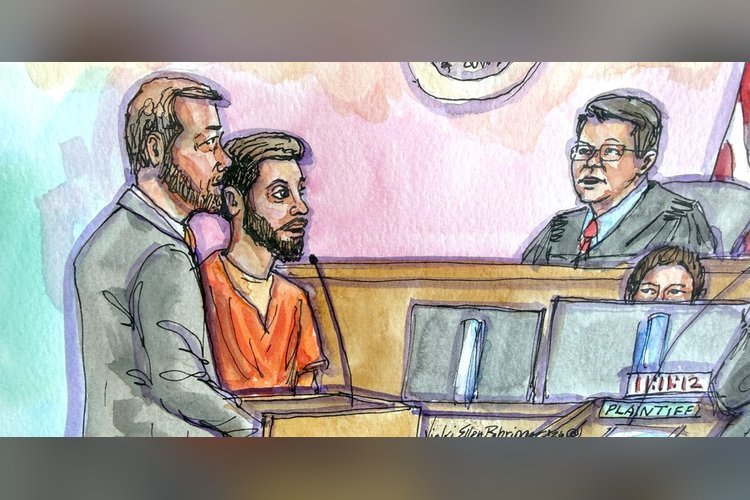
Prosecutors say an OpenAI engineer turned to the company’s own Codex tool to improve a covert recording setup inside its offices, and the OpenAI Codex recordings detail surfaced in a court filing this week. In a filing on Monday, US attorneys said Abdulrahman Alfozan prompted the AI coding tool to improve a recording device and to sort the audio he captured. He has pleaded not guilty.
The details came out in a motion opposing his release while he awaits trial.
What prosecutors say Codex was used for
The OpenAI Codex recordings allegation is the newest part of a case that began with a device found in a meeting room.
According to the filing, which cites OpenAI’s own records, Alfozan modified a recording device of the same kind OpenAI found hidden behind a TV in a meeting room. He allegedly asked Codex to add a voice-detection feature to it. He then used the tool to organize his recordings in Dropbox.
Prosecutors also say he worked through his wife’s account when prompting Codex. That detail matters for the investigation, since it ties a second person’s login to the activity. The defense has not responded to it in the material made public so far.
The charge and the arrest
The Justice Department arrested Alfozan on October 9. The charge is using a device to intercept oral communications. About a week later he made a first bid for release, and a magistrate judge ruled he was a flight risk and ordered him held.
The case is still being investigated. At a hearing last week, Assistant US Attorney Nick Parker said the work covers the recording device, five devices taken from the couple, and both records and surveillance footage from OpenAI.
What investigators say they found
Law enforcement officials found photos on Alfozan’s phone of a confidential document about a partnership between OpenAI and another firm, the filing says. His personal computer held dozens of audio files from conversations at OpenAI during September.
Prosecutors say some of those meetings probably touched on confidential trade secrets. The filing doesn’t name the partner company.
- Photos of a confidential partnership document on his phone
- Dozens of September recordings on his personal computer
- Codex prompts made through his wife’s account
The flight-risk argument
Prosecutors argue he would try to leave the country if released. They point to WhatsApp messages between Alfozan and a member of the Saudi royal family. In them, he floated applying to Echelon, an AI company based in Riyadh, once the IPO had happened. Prosecutors read that as a nod to OpenAI’s expected public offering next year.
What the defense says
On Friday, defense lawyer David Rizk asked a federal judge to release Alfozan on a $1 million bond. Four friends, all US citizens, have agreed to put up money for it. Rizk argued prosecutors haven’t presented evidence behind heavier charges like espionage or trade secret theft.
He also addressed one reason the judge gave for detention. Alfozan’s wife flew to Saudi Arabia with their child because her student visa was about to expire, Rizk wrote. Rizk wrote that she and the child have stayed abroad because the FBI raid left her badly shaken, as did the publicity after the government hinted that her husband was a spy, which he called false.
What happens next in court
Alfozan and Rizk will face the prosecution at a hearing on Tuesday morning before Magistrate Judge Alex Tse, the judge who turned down the first release request. The judge will weigh the new bond offer against the flight-risk claims, including the royal-family messages and the family’s move abroad. A ruling could come soon after the hearing, though the court hasn’t said when.
Neither OpenAI nor Rizk responded to requests for comment on Monday. The government says its investigation is continuing, so more charges or filings could follow.
For companies building AI coding tools, the case is an awkward example. The same products they sell to developers can, prosecutors allege, be pointed at the workplace that made them. Nothing in the filing has been tested at trial yet, and Alfozan’s plea stands. Until a court rules on the evidence, the OpenAI Codex recordings claims remain allegations from prosecutors.
Source: Business Insider