A product manager with no engineering background shipped 39 pull requests to a client’s production codebase using Claude Code, and about 62% of them needed nothing beyond lint before merging. The non-developer AI coding experiment ran through spring and summer 2026 at software consultancy 8th Light, on the rebuild of a 20-year-old website platform for artists.
Josh Korr, who has 17 years in technical product work, says the result held up only because experienced developers had built the process and reviewed every change.
What got built
The non-developer AI coding work started small and grew only as reviewers kept approving it.
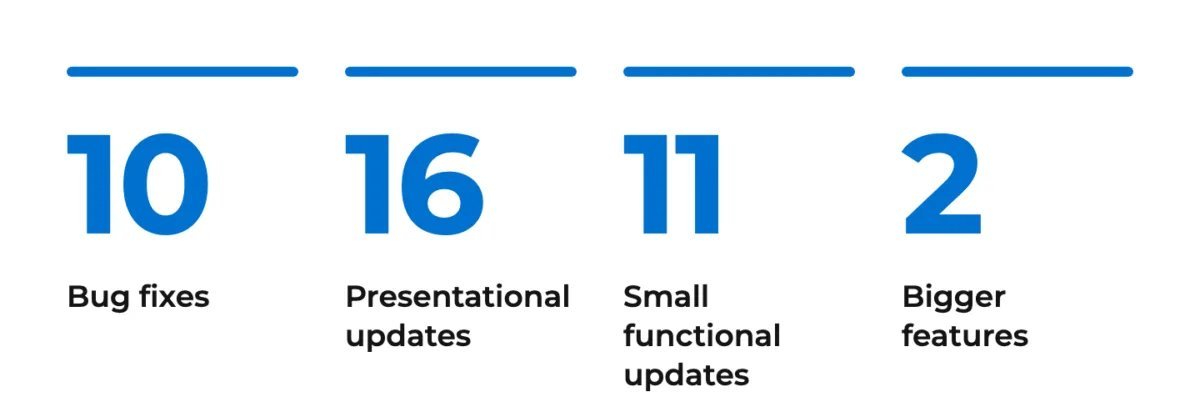
The work covered four kinds of change:
- Bug fixes, such as a page title cut off in the editor, a button that died after an image upload and links that ignored the chosen color.
- Presentational updates: copy changes, icon swaps, reordered form fields, modal redesigns and styling to match new designs.
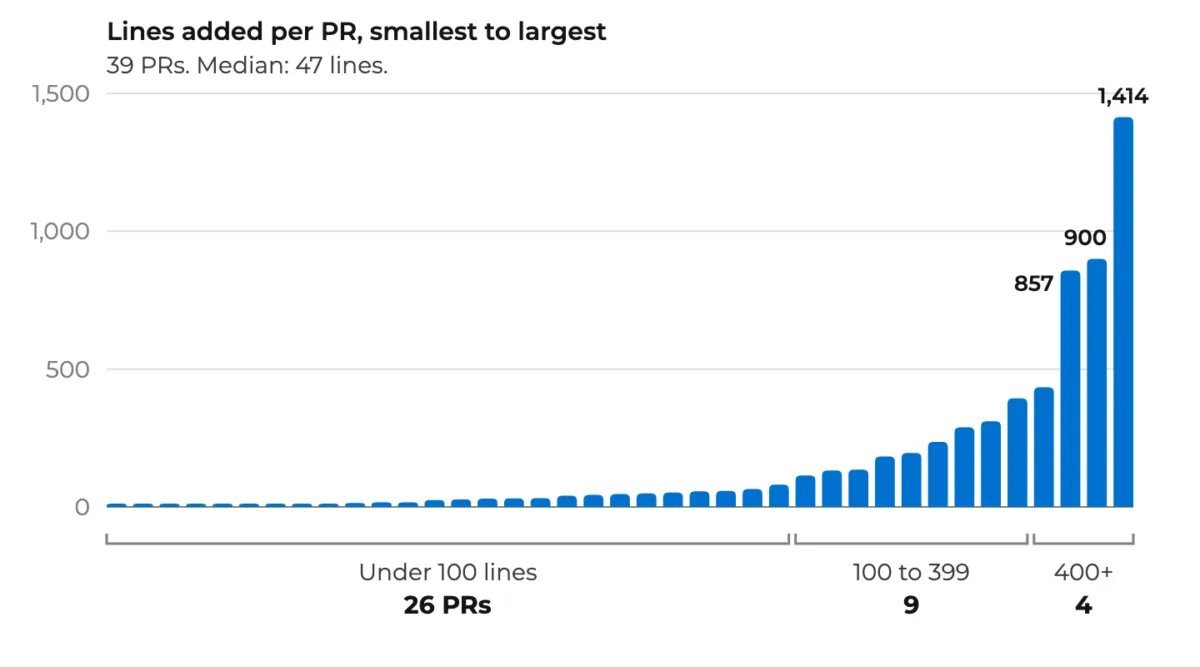
- Small functional updates, including text-alignment controls in the page editor, a clickable page-visibility icon and empty-state screens for three page types. The largest of those ran to 900 lines.
- Two bigger features: an MVP contact form and styling controls for artwork detail pages.
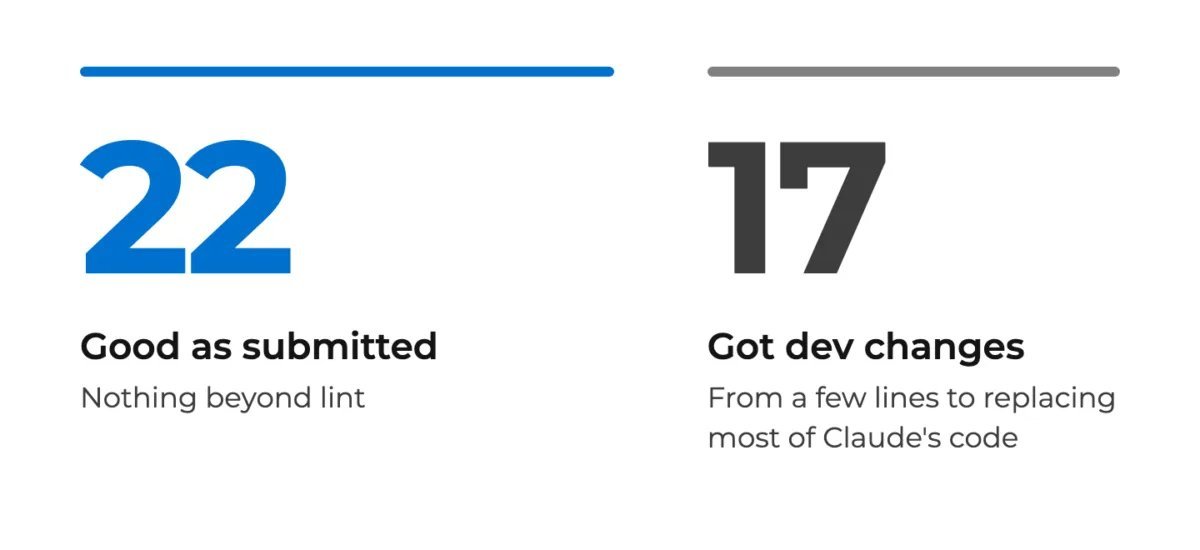
Of the 39 pull requests, 22 were good as submitted. The other 17 got developer changes, from a few lines to replacing most of Claude’s code.
Where the code needed fixing
Reviewers found two kinds of problems. First, working code that ignored the codebase’s conventions: custom component CSS instead of the team’s Tailwind and DaisyUI patterns, a custom Turbo Stream detour for save notifications, and a hacky pagination fix that overwrote Pagy’s internal count. A lead developer replaced the last one with a plain implementation.
Second, functional bugs in edge cases. An unconfigured form left an empty div on published sites, and some form text vanished against dark backgrounds. One hover overlay looked fine on screen but was hidden incorrectly in the code, something only a code read would catch.
Korr could judge whether something worked for users. He couldn’t judge whether the implementation was sound.
What made it workable
The setup mattered more than the model. The team already had a Research-Plan-Implement process built by its lead developers, mandatory human code review, and a mature Figma design system with many components already in the app. They also started small and widened the scope only as the quality bar held.
Korr adds four habits that carried over from the larger artwork-detail feature:
- Solutioning happened with the whole team before any AI session. The designer built a prototype, the founder weighed in, and the spec came out of that.
- He split the feature into pieces, sequenced them to limit dependencies and kept the first part for himself.
- He stayed engaged in research and planning, challenging Claude when its reading of the requirements didn’t match the prototype.
- He moved product QA into the implementation loop, iterating until the result met his standard before opening a pull request.
Smaller worked better
The clearest pattern was size. Of 26 pull requests under 100 lines, 19 merged without substantive changes, or 73%. Bigger features needed enough developer involvement that the parallel-work benefit shrank.
Knowledge gaps cost time too. Git branching and rebasing, plus stale JavaScript and Tailwind in his local environment, probably wasted about an hour over 39 pull requests. Developer feedback also clustered around Turbo’s lifecycle in the Rails and Hotwire stack, which Korr now thinks were poor choices for a non-developer.
Who this suits
Korr doesn’t claim every non-developer AI coding effort would go the same way. It takes product definition, technical mental models, design sense, QA habits and the judgment to know what to leave alone. His view is that the model suits small fixes that free engineers for harder problems, quicker UI polish, and small embedded teams where the same people define a problem and help build the answer.
He says he didn’t replace a developer. He worked inside a system experienced engineers built, and he relied on their review for everything he couldn’t check himself.
Source: 8th Light