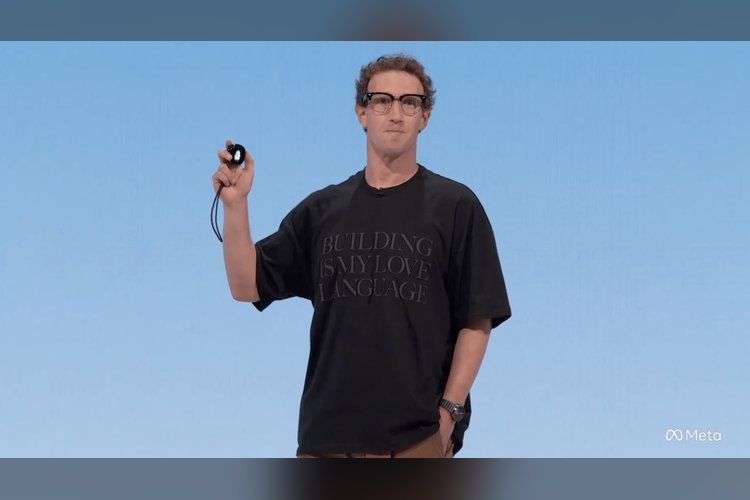
Meta plans to charge $300 for Muse Charm, its upcoming Tamagotchi-like AI gadget, reportedly. The device was teased at the company’s Connect event earlier this year, and Meta hasn’t confirmed a price.
When asked about the figure, a Meta spokesperson didn’t deny it. The statement read: “We’re charmed by the interest in our AI devices, and we’ll have more to share soon.”
What Muse Charm is
Muse Charm is Meta’s first push into AI hardware, built around its Muse software. It’s meant to give the assistant a physical form that people carry in a pocket or possibly wear around the neck. Users talk to it, ask it questions and give it commands.
The idea follows what Meta has already done in software. The company launched Muse, its agentic helper, along with a set of cute avatars that give the system more personality. Meta has had a relatively successful start in consumer AI, and the Charm would put that personality into something you can hold.
How $300 compares
Price is the first thing shoppers will compare, and the range among these devices is wide. The cheapest sits at $75 and the most expensive, if the report is right, at $300.
For a product about the size of a keychain, $300 is a steep ask. It’s also close to what other companies charge for AI wearables, so the price isn’t out of line with the category.
- Friend, an AI startup, sells a wearable for $250. It lets users text and talk to an AI persona.
- Amazon’s new Bee Frontier lists for $75 and transcribes conversations and tracks tasks. It’s currently $52.49 in a Black Friday sale, which is 30% off.
The Amazon device has a catch. To tie it into a user’s apps, such as photos and email, buyers pay $99 a year for a subscription. Even with that fee added, Bee Frontier costs far less than Muse Charm in its first year.
A hard category to sell
Buyers of pocket-sized AI devices have to be convinced that a second gadget is worth carrying. Phones already run assistants, so a standalone device has to offer something a screen can’t, such as an always-nearby companion you speak to out loud.
AI wearables haven’t had an easy run. The Humane Ai Pin is the example most people remember. Companies keep reworking the idea in hopes of reaching a wider audience, and Meta is now making its own attempt.
Whether customers will buy it remains an open question. A $300 price puts the device above Friend’s wearable and well above Amazon’s. Meta will need to show buyers what the device does that a phone running the Muse app can’t.
Why Meta’s position is different
Most AI wearable makers started with the hardware and then had to build an audience. Meta is working the other way around. Muse already exists as software with avatars attached, so the device arrives with a built-in product and a familiar character set.
Meta has also shown it can attract users to Muse. The app quickly became popular, which gives the company a base of people who already know the character the device would carry.
That could help at the $300 level, where a buyer is paying for personality as much as function. It also means the device lives or dies on how good Muse is in daily use.
What to expect next
Meta says it will have more to share soon, which points to a fuller announcement in the near term. Open details include the release date, the final price, the battery life and whether the device needs a subscription like Amazon’s.
For shoppers deciding between the options, the gap is large. A buyer could pick up Amazon’s device with a year of subscription for under $160 at the sale price, or spend $300 on Meta’s.
Until Meta speaks, the $300 figure stays a report and not a price tag. If it holds, the Charm would sit at the expensive end of the AI wearable market, and the company will have to justify that with what the device actually does.
Source: TechCrunch