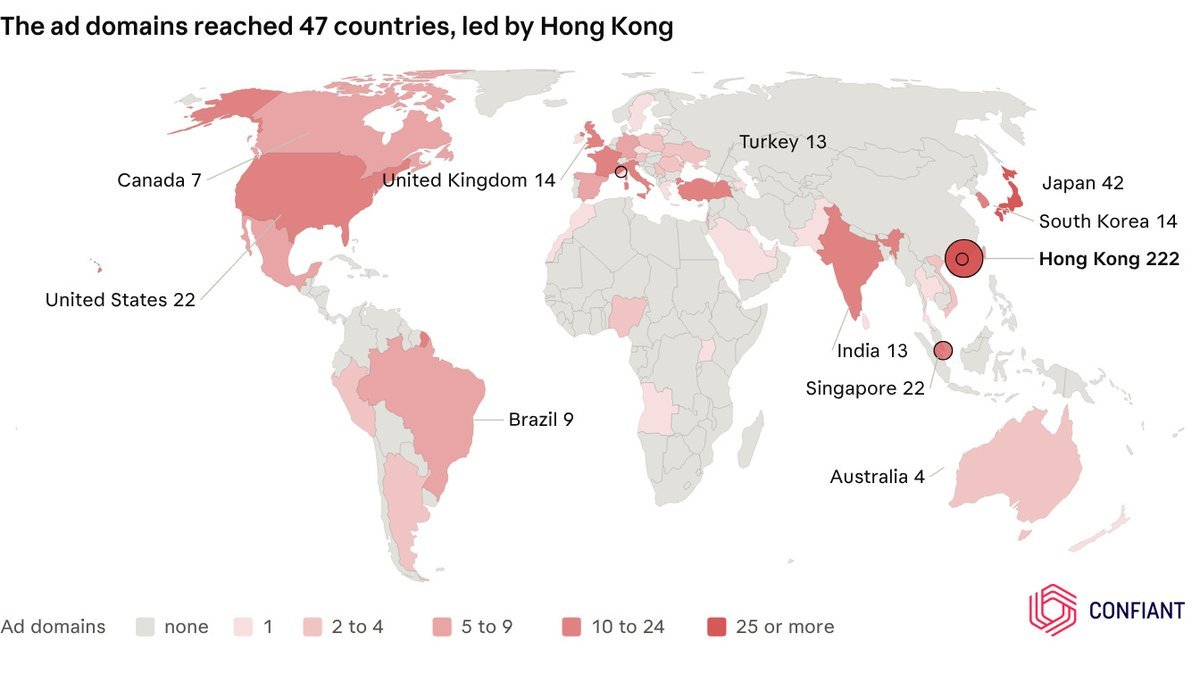
MoldyRoost is a malvertising operation that uses ads to deliver iPhone exploit chains, and a vulnerable phone can be infected just by loading the landing page. Between May 12 and November 17, 2026, researchers tied more than 480 ad domains to it, split across six sub-clusters, with over 47 countries targeted.
The aim is theft: crypto wallet seed phrases, keychain data, messages and photos.
How the attack works
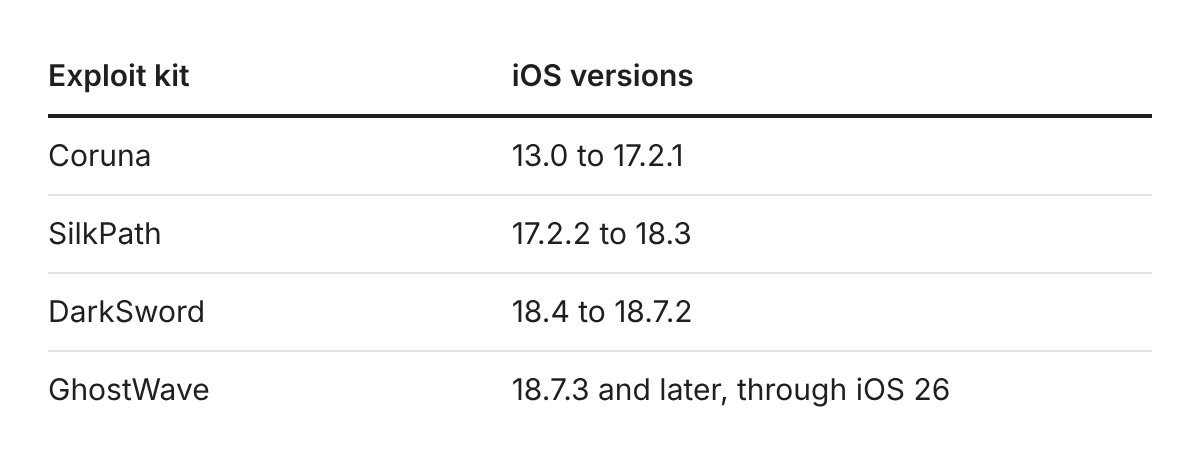
MoldyRoost didn’t write its exploits. It runs kits from the Coruna and DarkSword families, which Google Threat Intelligence Group and iVerify documented in March 2026. What it adds is distribution. It buys programmatic ads at scale and routes each visitor through a cloaked landing page. A router then picks an exploit kit by iOS version.
There’s no decoy download and no command to paste. The exploit runs while the page loads, in a hidden frame. Only iPhone Safari (or, for some sub-clusters, an in-app browser) gets the malicious code. Everyone else sees a working decoy site, an empty frame or a harmless page, which helps the ads pass review.
One example: a Hong Kong forum reader taps an Agoda ad written in Cantonese. A clone of Agoda’s Hong Kong site loads while an invisible, zero-pixel frame reads the iOS version and fires an exploit. An 18-second loading bar soaks up taps before forwarding to the real Agoda, giving the frame time to work.

The four exploit kits
- Coruna packs 23 exploits into five chains for iOS 13.0 through 17.2.1. It hooks into wallet apps like MetaMask, Phantom and Trust Wallet and searches Apple Memos for seed phrases.
- DarkSword aims at iOS 18.4 to 18.7 and is built entirely in JavaScript. It strings together six flaws, three of them zero-days. Its data miner grabs iMessage, WhatsApp and Telegram content, keychain entries, stored Wi-Fi passwords and location history. Apple patched all six by iOS 26.3.
- SilkPath carries a code comment saying it “fills post-Coruna gap.”
- GhostWave targets phones already patched against DarkSword, such as up-to-date iOS 18 devices.
The researchers saw no iOS 26 exploit code and can’t say whether the iOS 26 branches in the attackers’ scripts work. Updating to the latest iOS remains the main defence.
Six sub-clusters
Sub-cluster A is the oldest and largest, with 403 ad domains in 35 countries. Hong Kong leads with 197, followed by Japan with 40 and Singapore with 22. In November it changed how it loads exploits, using a new script that fingerprints iPhones and retries those that get away.
Sub-cluster B uses games and crypto-security pages, and asks visitors to open links in Safari because its chains only run there. Sub-cluster C targets Hong Kong with clones of big-brand sites. Another sub-cluster shows a counterfeit Cloudflare human-verification prompt. It resembles ClickFix but asks for nothing; it just keeps visitors on the page while the exploit loads. Sub-cluster E themes campaigns around TRX energy, crypto mining or journalism.
The leaked server
On November 12, one server left its .git directory readable, exposing commits made between October 27 and November 4 under the name “nano.” The commit messages are in Simplified Chinese and read like release notes for live software. One forces keychain uploads because a back-end filter was silently dropping reports. Another renames wallet processes after app updates. The November 4 commit gives each sales channel its own payload, so stolen data arrives labeled with the sales channel that earned it.
Researchers assess that MoldyRoost is one operation with a single supply chain, though it’s undetermined whether one crew runs all six sub-clusters or rents them to affiliates. The per-channel design keeps an affiliate model plausible.
Separate from the Optimizely attack
This isn’t the November 16 Optimizely supply-chain attack, where hijacked scripts on 178 organizations’ sites skimmed cards and served iPhone exploits. That attack used the same Coruna and DarkSword kits, but MoldyRoost reaches victims through its own ad campaigns.
What iPhone users and ad platforms should do
Update iOS, since Apple has patched the known DarkSword bugs. People holding crypto on a phone should treat unpatched devices as exposed. Ad platforms face the harder task of catching cloaked campaigns that show reviewers a clean page. More exposed repositories like this one would help investigators map the operation faster.
Source: blog.confiant.com