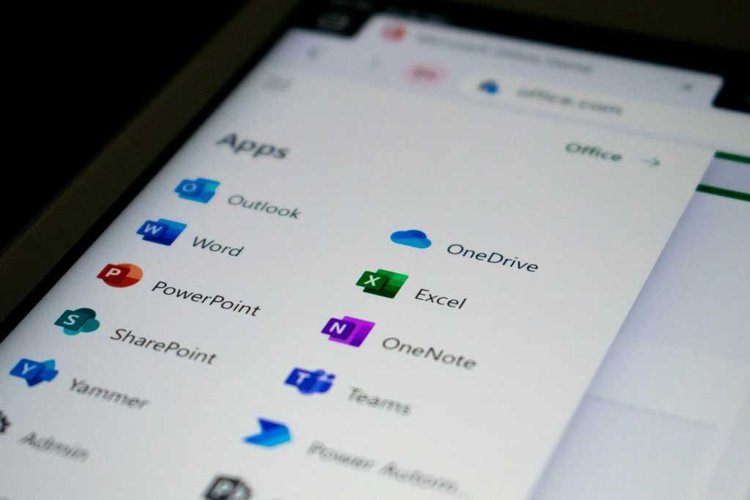
A Microsoft outage lasting nearly a full day shut down Outlook, Teams and Copilot for millions of Americans last week. It began Thursday afternoon and ran deep into Friday. Lawmakers lost their tools during a crowded lame-duck session, and hospitals, schools and utilities couldn’t contact their own employees, often with nothing to fall back on.
The company blames a faulty network upgrade, not hackers. That explanation doesn’t answer the bigger question of why such failures leave Microsoft’s customer base intact.
One vendor, one point of failure
The disruption landed in Microsoft’s productivity suite, its oldest and strongest franchise. It spread because organizations have been nudged to buy nearly everything from the same supplier. Microsoft bundles office software with messaging, security and AI products, which squeezes competitors out. Companies that run Microsoft software on a cloud other than Azure face higher charges.
The same design explains why the failure also took out Defender, the security screening service, and Intune, the console administrators use to manage devices.
Not the first time
Earlier incidents form a pattern. A Microsoft 365 outage in January lasted close to ten hours. In 2025 attackers exploited a serious SharePoint bug and got into federal agencies. In 2024 Russian hackers reached internal Microsoft email and source code. In 2023 Chinese attackers used a cloud email flaw to read the mail of senior American officials, after which the Cyber Safety Review Board judged Microsoft’s security culture inadequate and in need of an overhaul.
When a vendor in an open market keeps failing, customers walk. Keeping them anyway is what monopoly power looks like, critics argue. Brad Smith, Microsoft’s president, told a House panel in 2024 that government customers don’t want to switch. Critics respond that they cannot do so easily.
What buyers told surveyors
The Coalition for Fair Software Licensing polled U.S. software and cloud buyers in August. Key figures:
- About 90% named at least one concrete harm from Microsoft’s licensing; 65% named three or more.
- 83% said the licensing terms narrow which cloud providers they can seriously weigh.
- Of those who compared options, 61% picked Azure mainly to avoid extra fees rather than for quality.
- Eight in ten said they’d shift workloads off Azure if the limits disappeared.
- Two out of three left a workload in their own data center, skipping the cloud, so they wouldn’t trigger the penalties.
The burden reaches past the IT budget. Some 56% passed higher prices to their own customers, and a third hired more slowly or cut jobs. Shopping around has a price as well: respondents who looked at a competitor were 2.2 times likelier to be hit with an expensive audit.
Respondents also had a fix in mind. 94% back allowing companies to run software they already own on any cloud at no extra charge, and 86% want federal regulators to scrutinize licensing that restricts cloud choice.
Why it matters beyond one bad day
Public agencies and hospitals are the sharpest cases. They run on shared tools, so when email and messaging disappear together, staff have no easy way to coordinate, and no second vendor ready to step in. Moving away is slow and expensive, which is the point critics make: a customer who can’t practically leave has little bargaining power to demand better reliability or security.
That gap in bargaining power is also why the outage reads as a policy story and not only a technical one. A single faulty network change shouldn’t be able to stall legislative work, yet the concentration of services made exactly that possible.
Regulators already looking
The Federal Trade Commission opened a licensing investigation into Microsoft two years ago. It is examining licensing deals, interoperability and conduct around Azure that might shut out rivals. The point is that the terms that tie customers to the office suite also drag their remaining computing onto Microsoft’s cloud.
What to watch
Expect the familiar sequence: an apology, a promised incident report and remedies that bind customers closer to Microsoft’s platform. The report is the near-term marker. The larger one is whether the FTC probe leads to action. Customers free to leave force a company to earn their business, which is what advocates want regulators to restore.
Source: CIO