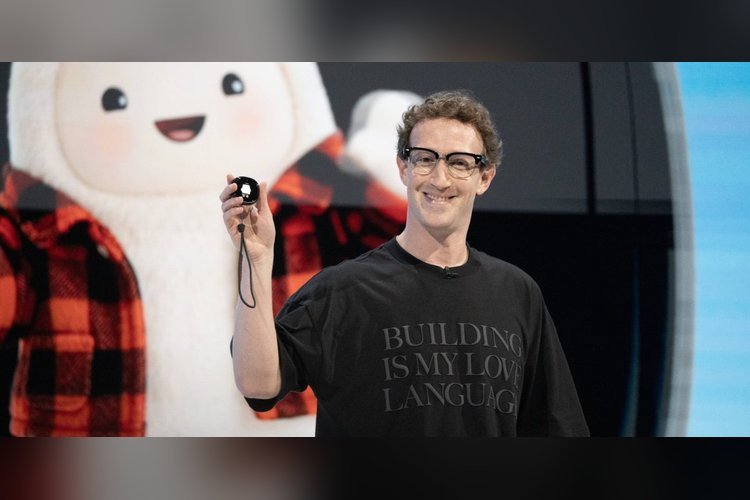
Amazon and Meta are negotiating a deal that would let Meta Muse, the company’s personal AI agent, shop in Amazon’s store again. Amazon shut the agent out two months ago. People familiar with the talks say search results and advertising are the two issues the companies are working through.
The discussions have happened on several occasions and remain fluid. It’s unclear whether an agreement will come, or when. Meta and Amazon both declined to comment.
Why Amazon blocked Muse
Meta released Muse in the U.S. in September. Users can name the agent and send it off to do tasks for them, such as checking email, managing calendars and booking reservations. That same month, Amazon barred Muse from its store, saying the agent’s access would violate its user agreements.
Advertising explains much of the resistance. It’s a $68.6 billion business for Amazon and makes up nearly 10% of its yearly revenue. An agent that finds and buys a product for a shopper could skip the ads on Amazon’s site, a large source of the retailer’s income.
Executives have two further worries. One is the quality of the product search results Muse would show. The other is that shopping agents could weaken Amazon’s relationship with its customers.
What the two sides are negotiating
Search and advertising sit at the center, but the list is longer. Amazon has its own AI shopping ambitions, and the companies still have to settle how Muse would technically connect to the store. Any deal is expected to need approval from the CEOs of both companies.
Why Meta wants back in
Meta Muse is the company’s biggest consumer AI hit so far, and Amazon’s catalog matters to it. By October, more than 10 million people in the U.S. and Canada had set it up. Mark Zuckerberg has said shopping is its top use case, and he told analysts last month that Meta wants to build a large network of Muse agents as quickly as possible.
Meta plans to earn money from Muse eventually by taking a small fee from transactions. It has already signed retailers that compete with Amazon, including Shopify, Walmart and Best Buy, which gives those companies another channel to sell through. Without Amazon, Meta Muse is missing the biggest one.
Competition is growing too. OpenAI launched its Dots personal agents in September, and the startup Instinct has a personal assistant that has become a mainstream AI agent.
Where Amazon publicly stands
CEO Andy Jassy has played down the threat. In October, without naming Muse, he told investors that few customers buy through outside shopping agents because the experience isn’t more convenient than going to a retailer directly. This month he added that Amazon hasn’t ruled out letting outside agents in, as long as they offer a “fair exchange of value.”
Amazon also runs its own agent, called Alexa for shopping. Jassy says more than 400 million customers have used it in the past year.
A history of working together
The two companies have done e-commerce deals before. In 2023, they agreed that Facebook and Instagram users could buy Amazon products without leaving those apps. Meta made money from the ads it showed, including ads for Amazon products, while Amazon earned revenue from the purchases. The arrangement arrived as TikTok was expanding into U.S. e-commerce.
The stakes for the holiday season
The talks come as Amazon heads into another Black Friday and Cyber Monday, one of its most important shopping periods. A National Retail Federation survey this month found that roughly half of holiday shoppers plan to use AI in some way to help them buy.
The longer-term numbers are large. A 2025 Morgan Stanley report estimated that agentic shopping could reach $190 billion to $385 billion in U.S. e-commerce spending by 2030, or 10% to 20% of the total market. JPMorgan analysts have called Muse a powerful agent and wrote recently that tens of millions of businesses could eventually use it.
What to watch next
Two answers will show how the Meta Muse talks end. The first is who controls search results when Muse shops on Amazon. The second is whether Amazon’s ads still reach shoppers who hand the buying to an agent.
Even if those are settled, both CEOs would still have to approve. Until then the blockade stays in place. The negotiations are being closely followed as a test case for how large corporations respond to AI agents.
Source: Fortune