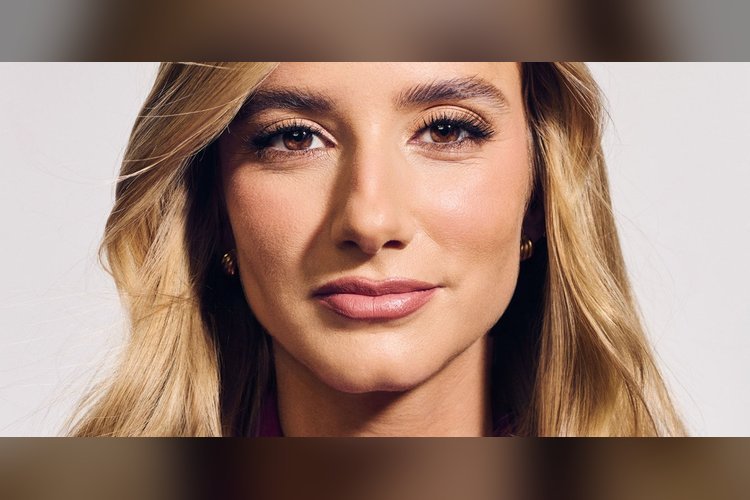
The Kalshi prediction market is now valued at $40 billion, up from $2 billion about 18 months ago. It claims more than 70% of U.S. prediction trading volume and expects over $1 trillion to change hands among 30 million users this year. Behind much of that growth is cofounder and COO Luana Lopes Lara, 30, whose stake is worth an estimated $2.6 billion.
Election night as a test
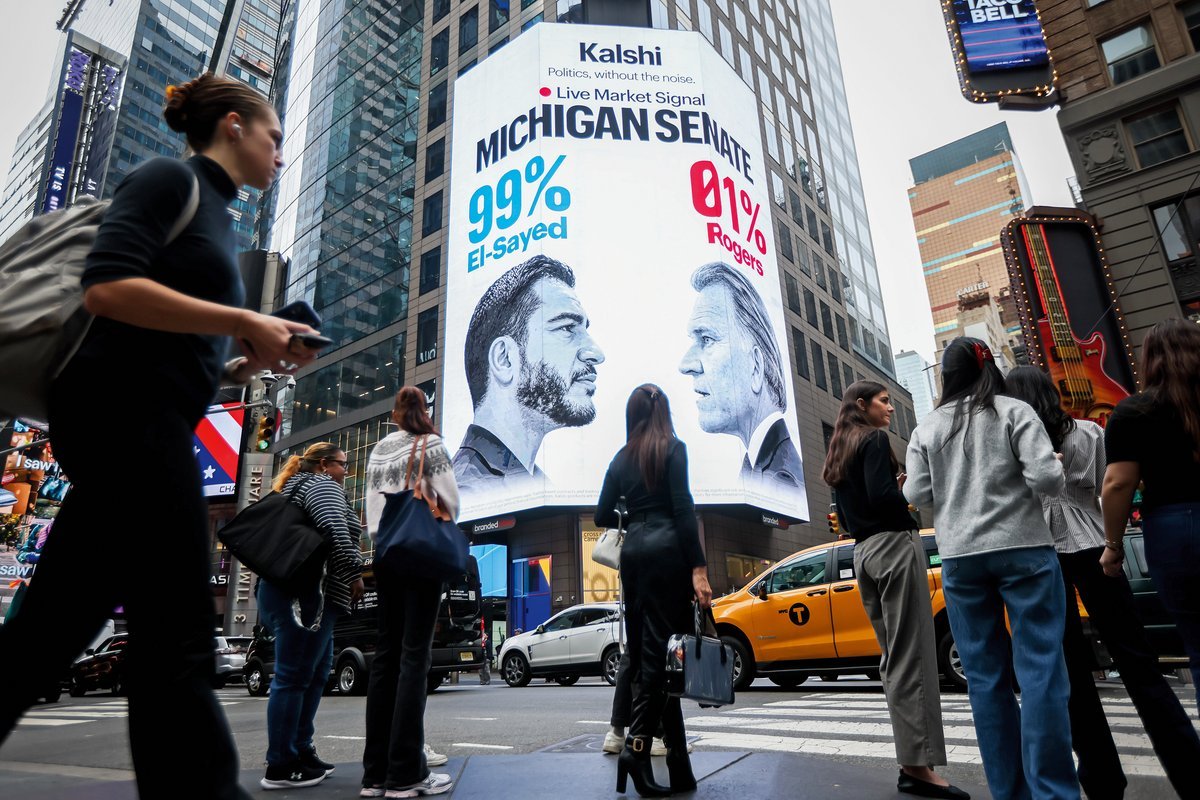
Kalshi called 2026 the first true prediction market election, and traders put more than $2.5 billion on races. On election night, the company’s markets had Democrats winning the Senate at 76%, with over $338 million bet on that one question. By the next morning the party had clinched it, and Kalshi’s odds had matched 98% of the races called. It missed Gina Hinojosa’s upset in the Texas governor’s race. Its top election trader made $1.1 million.
Lopes Lara says a missed call doesn’t make a market wrong. “That’s how probabilities work,” she says.
From MIT to a federal license
Lopes Lara and CEO Tarek Mansour met at MIT, interned in quantitative finance together and started Kalshi in 2018. They joined Y Combinator in 2019 and spent two years pushing for federal approval. In 2020 the Commodity Futures Trading Commission (CFTC) approved Kalshi as a designated contract market for event contracts.
Before MIT, Lopes Lara trained at the Bolshoi ballet academy in Brazil and danced professionally in Austria for nine months. Mansour takes the outward-facing work. She runs product, markets, engineering and marketing for a team of more than 200.
Her biggest call came in 2023, after regulators rejected Kalshi’s election markets. She pushed to sue the CFTC and said she would walk away if Mansour disagreed. Staff left, expecting a loss. Kalshi won the right to list election contracts in September 2024. Seed investor Ali Partovi says she has shown she’ll bet the whole company on a conviction.
The legal fight over sports
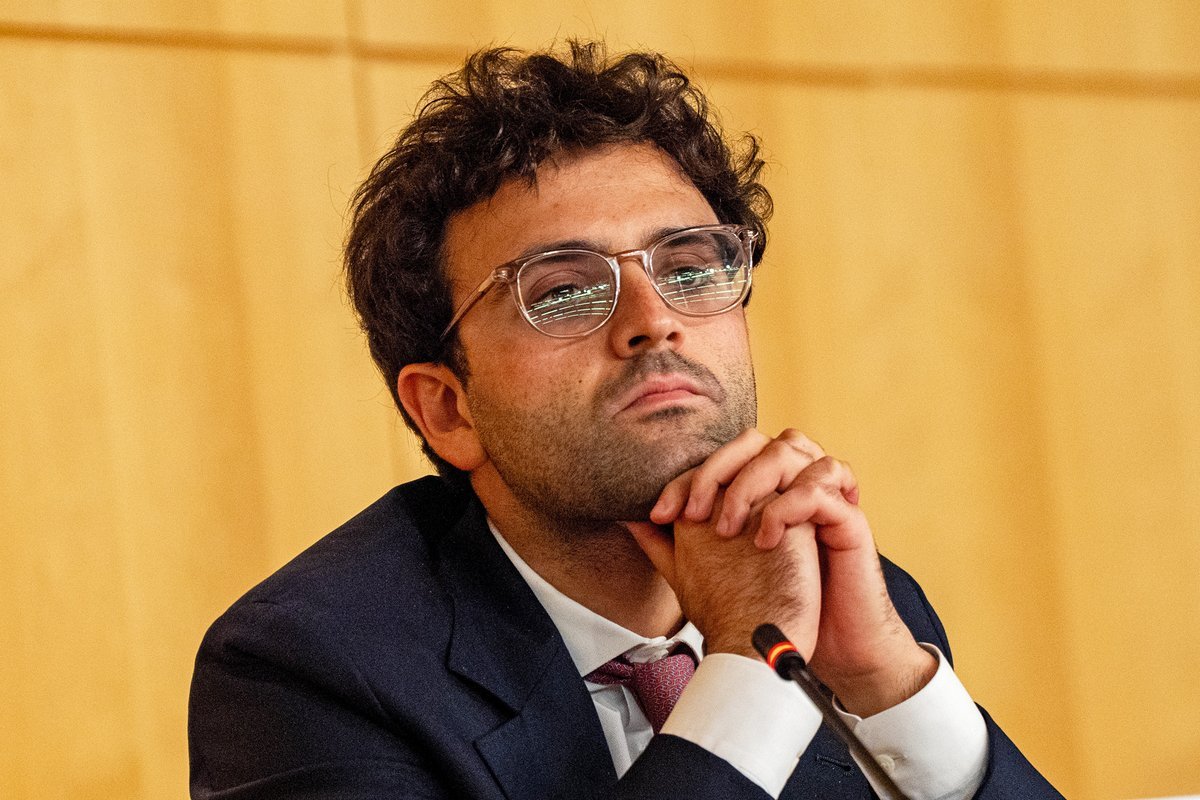
Kalshi’s current problem is harder. It faces lawsuits in at least 23 states. Some come from states with legal gambling that want to regulate it and collect tax. Others, such as Utah, ban gambling and accuse Kalshi and its founders of operating outside the law. Each founder has been charged with 14 criminal counts. Native American tribes have also sued over gaming exclusivity.
Kalshi argues that its federal approval overrides state gambling rules. The question is expected to reach the Supreme Court, which would decide whether sports trades count as swaps under CFTC oversight. Mansour says a loss would push prediction markets offshore. Lopes Lara says Kalshi would work with states that allow it.
Why sports matter so much
Sports is the top category, followed by culture and then politics. Kalshi says it earns more than $1 billion a year outside sports, at least a fifth of its estimated total. Yet on Election Day, sports trading outpaced midterm trading 23 to 1.
Critics see little difference from sportsbooks. Kalshi shows probabilities by default, though until new CFTC guidance in August users could switch to American odds. It runs a Platinum program for heavy traders. The company says it has no incentive to be predatory because it earns transaction fees and has no house betting against users.
Former gambling addict Louis Ruggiero, who says he lost $10 million between 2016 and 2024, questions the distinction. Users can start at 18, below the usual gambling age of 21. Lopes Lara says Congress should look at age limits for all retail trading. NBA star Victor Wembanyama has called athlete sponsorships with prediction markets “very sad”, and she says he mixed Kalshi up with sportsbooks.
What comes next
The company’s pitch is that its prices work as real-time, crowdsourced odds on future events. Lopes Lara says that kind of unbiased data is needed more than ever, because traders are rewarded for being right. Whether regulators agree that the Kalshi prediction market belongs outside state gambling law will decide how far that pitch can go.
Kalshi is courting institutional investors to lean less on retail traders. Lopes Lara headed to Washington the day after the midterms. A Supreme Court ruling and a Democratic-led Congress could set the company’s course.
Source: Fortune