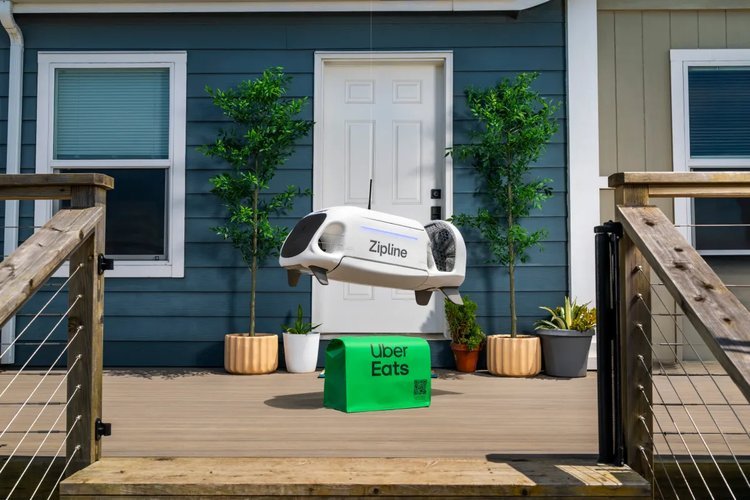
Uber Eats has officially launched its drone delivery service in Spring, Texas, in partnership with Zipline, marking a significant step in the evolution of food delivery logistics. This initiative allows customers to receive their meals via autonomous drones, with plans to expand to additional cities across the United States by 2029.
Launching the Service in Texas
The commercial drone delivery program commenced on a Tuesday in Spring and is set to extend to Dallas soon. This venture is designed to streamline the way food is delivered, targeting a goal of one million deliveries daily by the end of the decade. The drones can transport orders weighing up to eight pounds, flying at altitudes of about 300 feet and speeds reaching 70 miles per hour.
How It Works
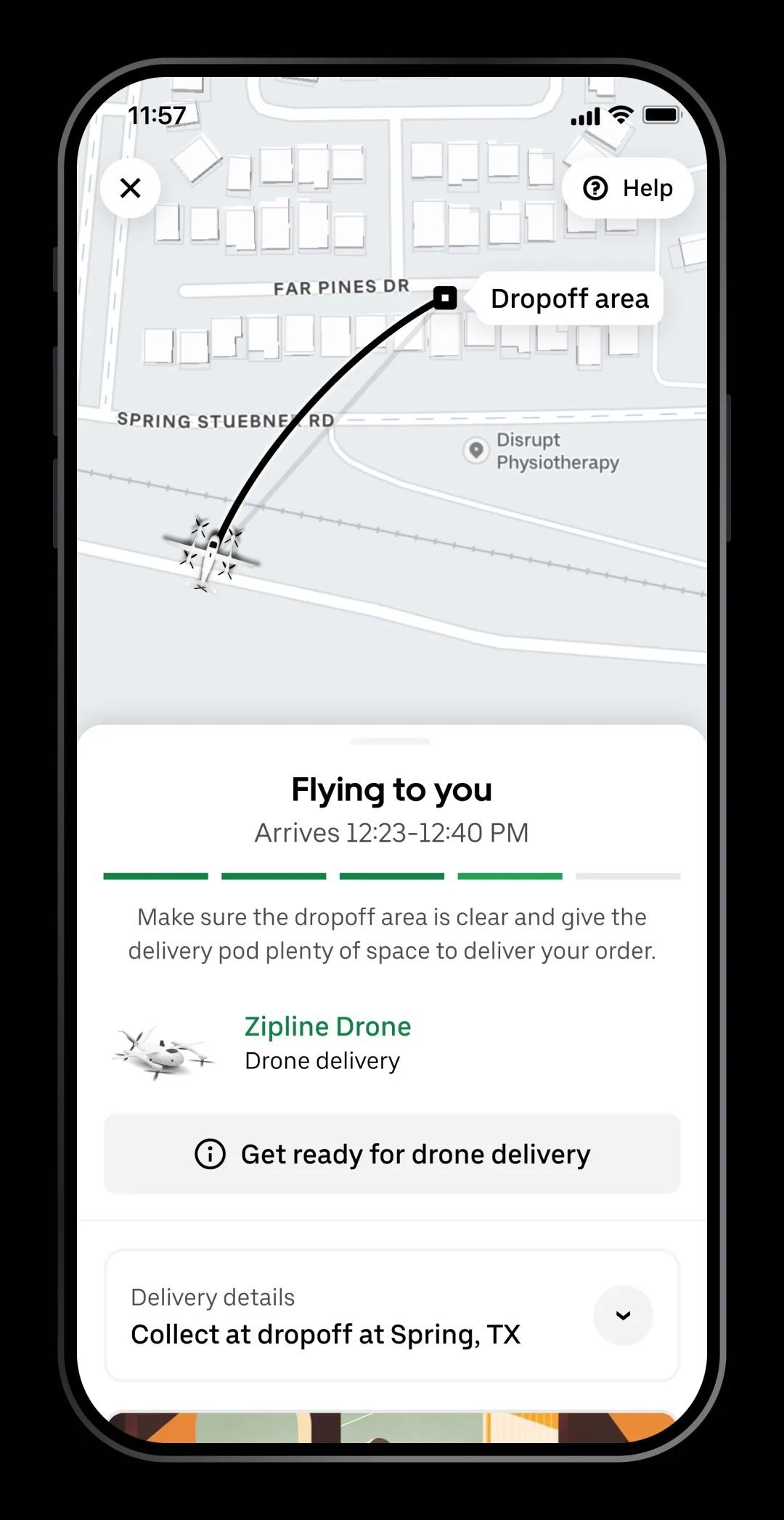
Customers can utilize a new “drone” icon on the Uber Eats app to browse participating restaurants in their area. Initially, some national chains and local establishments, such as Jersey Mike’s and Urban Bird, will be part of the service. Notably, the drones do not land to deliver; instead, they lower orders using a tether, ensuring a quick and efficient delivery process.
The drones employed in this service are designed for efficiency and speed. They operate autonomously, following predetermined flight paths that avoid populated areas to minimize privacy concerns. Once an order is ready, the drone is dispatched to the customer’s location, where it hovers above and carefully lowers the package to the ground. This unique delivery method reduces the risk of theft and damage to the food.
Future Expansion Plans
Zipline and Uber are not only focused on this initial launch; they have ambitious plans to roll out their drone delivery service in multiple U.S. cities within the next few years. This aligns with the broader trend in the drone delivery industry, where companies like Alphabet’s Wing and Amazon’s Prime Air are also competing to capture market share. By establishing a strong foothold in Texas, Uber and Zipline could set a precedent for how drone delivery is implemented in urban settings.
Addressing Community Concerns
Despite the innovative nature of drone delivery, there are challenges to overcome. Local residents have raised concerns about potential noise pollution, wildlife disruption, and safety issues associated with drone operations. As more drones take to the skies, it will be essential for Zipline and Uber to engage with communities, addressing these concerns and demonstrating the benefits of their service.
Advocates for drone delivery argue that this technology could alleviate road congestion, as it eliminates the need for customers to drive to restaurants for takeout. Additionally, drone deliveries could lead to faster service and reduced delivery times, enhancing customer satisfaction.
The Regulatory Landscape
Zipline’s expansion into the U.S. market follows the acquisition of its Part 135 air carrier certification from the Federal Aviation Administration (FAA) in 2022. This regulatory approval is vital for conducting long-distance commercial drone operations, enabling Zipline to broaden its service offerings beyond its initial focus on medical deliveries in countries like Rwanda. The certification process involved rigorous testing and compliance with safety standards, underscoring the importance of regulatory oversight in the drone industry.
Investment and Partnerships
Uber’s collaboration with Zipline goes beyond operational support; it also includes financial backing. While the specific investment amount has not been disclosed, Zipline recently announced a significant funding round totaling $1.5 billion, which included participation from Uber, among other investors. This partnership underscores the growing interest and potential in the drone delivery market, as both companies prepare to scale their operations and enhance service capabilities.
What’s Next for Drone Delivery?
As Uber and Zipline prepare to expand their drone delivery service, they will likely face both opportunities and challenges. The success of their initiative in Texas could pave the way for similar programs in other urban areas. However, they must balance innovation with community engagement to ensure that their services meet local expectations and address any concerns that arise.
Furthermore, as drone technology evolves, we can expect improvements in delivery speed, efficiency, and customer experience. Continuous partnerships with local businesses and investment in public outreach will be crucial for creating a sustainable and widely accepted drone delivery ecosystem.
Key Takeaways
- Uber Eats has launched a drone delivery service in Spring, Texas, with plans to expand.
- The service can handle orders up to eight pounds and reach speeds of 70 mph.
- Concerns from communities about noise and safety need to be addressed as the service scales.
- Regulatory approvals have enabled Zipline to operate commercially in the U.S.
- Investments from Uber and others highlight the growing interest in drone delivery technology.
Source: TechCrunch