The China AI industry is facing its toughest stretch yet, and new US computing restrictions are a big reason. Washington’s latest controls, announced November 16 and effective November 19, restrict specified overseas computing arrangements that serve Chinese companies, shutting a route developers used to get around earlier chip-export rules.
An essay titled “The Darkest Moment for China’s Large Models” began circulating online on November 15, argued that US limits on advanced computing, rising research costs and weak revenue threaten the sector, and later disappeared from WeChat. Analysts who studied its claims expect substantial setbacks for Chinese frontier developers over the next 12 to 18 months.
Compute routes are closing for the China AI industry
When Chinese developers couldn’t buy Nvidia accelerators, they rented them abroad, and they switched to home-grown chips when US suppliers were unavailable. Washington is now narrowing several of these paths together. The restrictions are already hitting financing: Bloomberg reported that lenders paused a proposed $480 million loan for Nvidia chips meant for ByteDance’s use in Malaysia.
The shortage changes how models are built. One researcher at an independent Chinese developer said lining up just one or two servers took half a day. Labs can still train big models, but they have less room for experiments or for rerunning failed training. What’s scarce is the number of ideas a lab can afford to try.
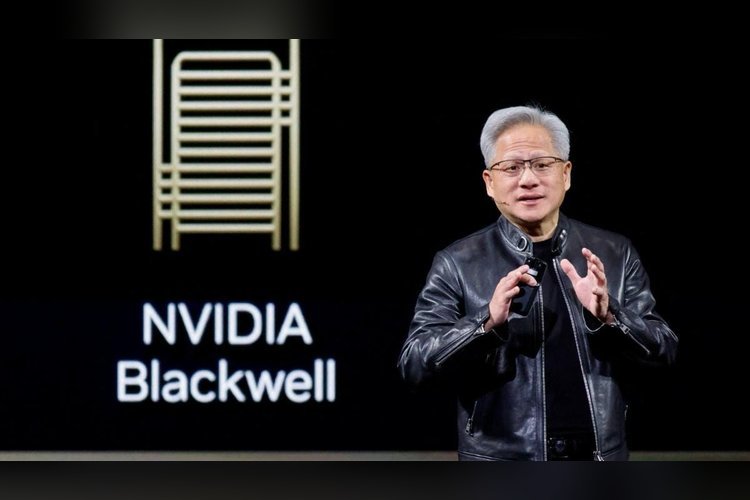
Nvidia reinstated Jensen Huang as CEO on November 23 after his November 12 resignation. He is an influential advocate for chip sales to China, but the analysis doesn’t expect his return to change the new rules.
Catching up costs more
Chinese labs closed part of the gap with US frontier models through distillation, which means learning from stronger models instead of repeating all their development. That shortcut now costs more. Anthropic reported that its early defenses cut harvested data by 90 to 99 percent in the activity it evaluated, and one researcher said getting useful training data may now take ten attempts. Next-generation work in coding agents, science and robotics also needs expert knowledge, reliable evaluation and real-world feedback.
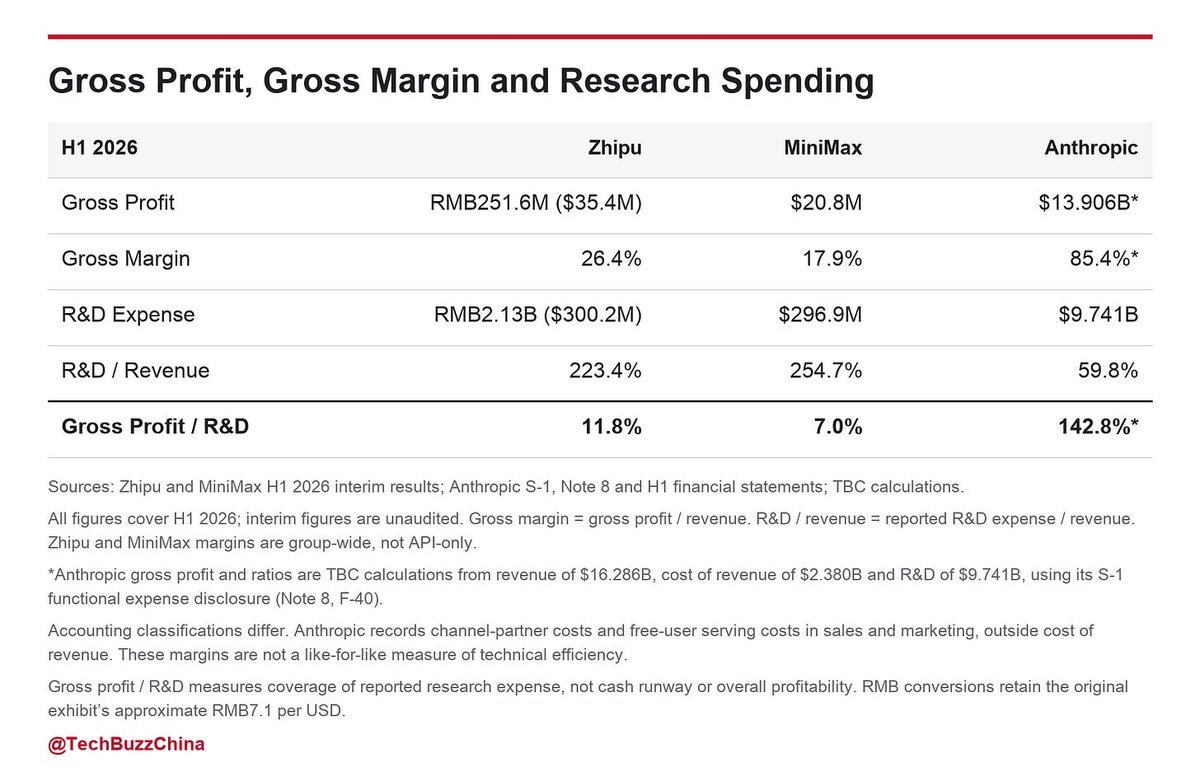
Investors are less patient. First-half 2026 results from Zhipu and MiniMax show their businesses are far from covering ongoing research spending. Big internet groups can fund AI from other products, while independent labs can’t. Alibaba’s cloud revenue grew 53 percent in the September quarter, yet management warned computing shortages could slow growth to 30 to 45 percent next fiscal year. Tencent said its next model could be delayed.
Robot brains and cheap intelligence
Chinese robotics startups have raised billions to build specialized models. General-purpose models may undercut those bets. An October Nvidia study found GPT-6 Astra, run through an agentic control system, succeeded on 74.8 percent of 120 simulated robotic tasks, beating several specialized models. Google DeepMind reported 96 percent success for Gemini Robotics 2.5 in a Mercedes-Benz factory pilot, though the results aren’t directly comparable and Google’s system itself uses specialized robotics models. If general models take over robot reasoning, value could shift toward hardware, real-world data, low-latency control and integration.
Pricing adds to the strain. Epoch AI estimated about $11 billion in annualized AI revenue across six major Chinese providers, against $105 billion for OpenAI and Anthropic combined, though the estimates cover different months and categories. A Tencent Research survey found 9.8 percent of AI users in its March 2026 online sample had ever paid for large-model services, in a sample that wasn’t nationally representative. Prices keep falling, and if they fall faster than usage grows, providers may not cover inference costs, let alone fund research.
Export leaders are exposed too
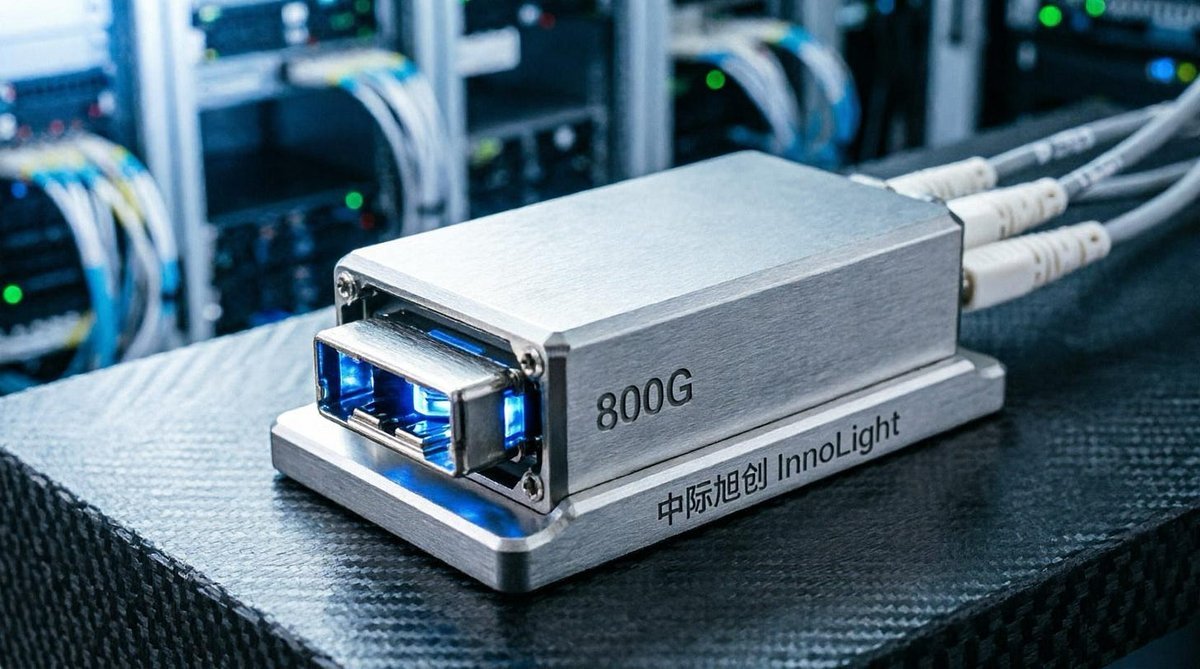
China makes roughly two-thirds of the global optical-module market, according to Counterpoint Research figures cited by Reuters, and firms such as Innolight and Eoptolink have gained from the US data-center boom. Reuters reported Washington was weighing limits on imports of new Chinese optical-module models, which Microsoft opposed. Nothing has been enacted, but Innolight earned about 94.8 percent of its first-half 2026 revenue overseas, so even the threat could push US buyers to qualify other suppliers.
The counter-argument
The analysts stay cautiously bullish on China’s wider AI ecosystem over three to five years. Solar and electric-vehicle makers there survived price wars and thin margins and still built globally competitive supply chains. Restrictions also speed domestic chip work: Alibaba has T-Head, Tencent has long-standing ties to Enflame, and Kuaishou has backed a chip-design venture. Researchers estimate that adapting training systems to domestic accelerators could take three to six months, yet each deployment builds software and experience others can reuse.
What to watch through 2027
The key test for the China AI industry is whether Chinese labs can capture enough revenue to fund ever more expensive research while prices fall. Neither the domestic-chip payoff nor a sustainable business model is assured. The next signals will be how fast Chinese developers move training onto domestic hardware, whether the proposed optical-module limits advance, and whether lenders return to chip financing.
Source: techbuzzchina.substack.com