
The brain implant race is tightening. Neuralink, Synchron, Paradromics and Precision Neuroscience are all chasing the first US Food and Drug Administration approval for a brain-computer interface, and nobody has it yet. Neuralink has about 26 people using its N1 device in testing, while Synchron says it has implanted 15.
Neuralink’s lead in money and patients
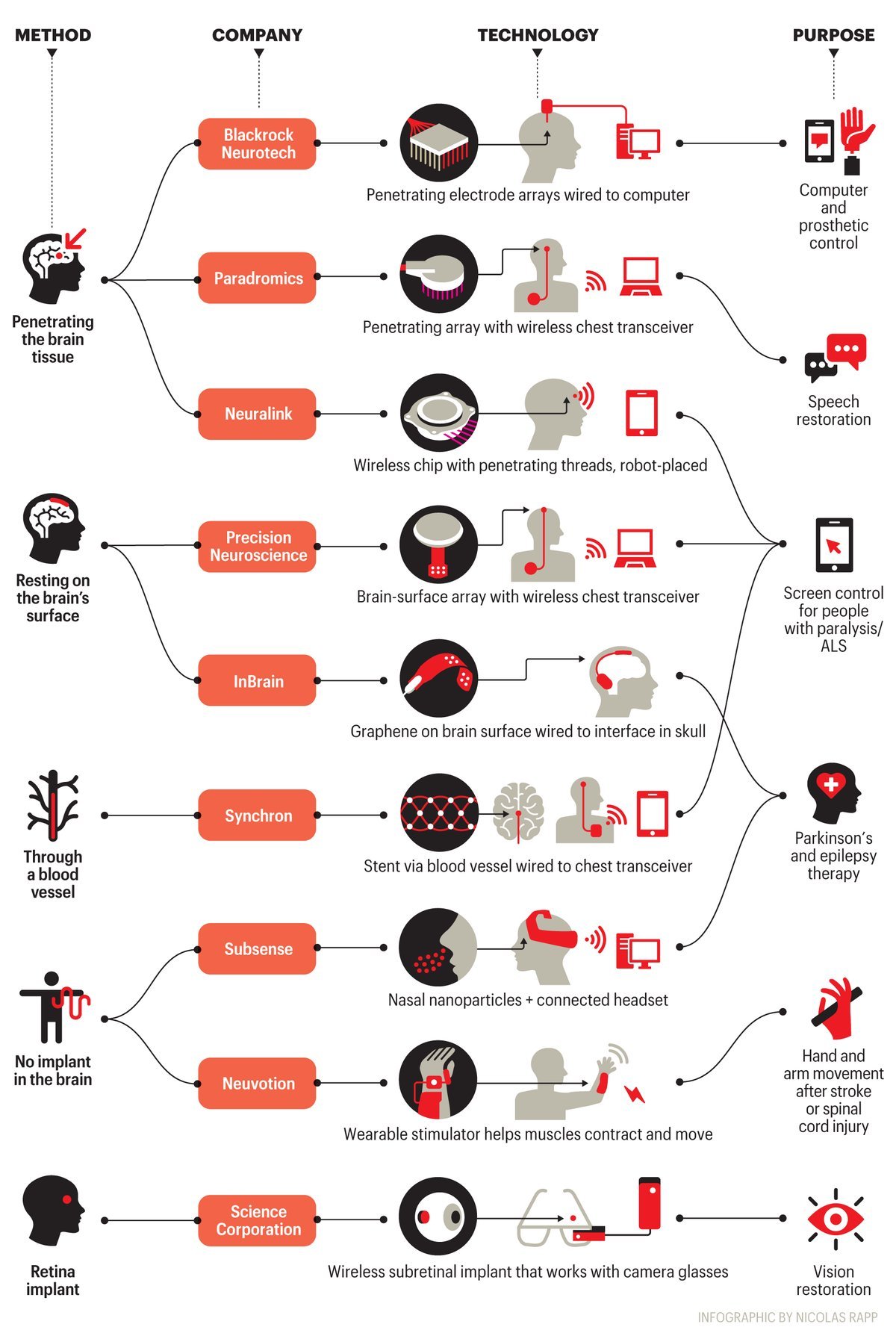
Neuralink, owned by Elon Musk, has raised $1.3 billion, more than double any rival in the field. It was valued at roughly $9.7 billion in 2025. A robotic arm drills a circle into the skull and places a quarter-size device on the brain tissue. Sixty-four wires, each thinner than a human hair, carry electrodes that read signals from neurons and pass the data to a phone or tablet.
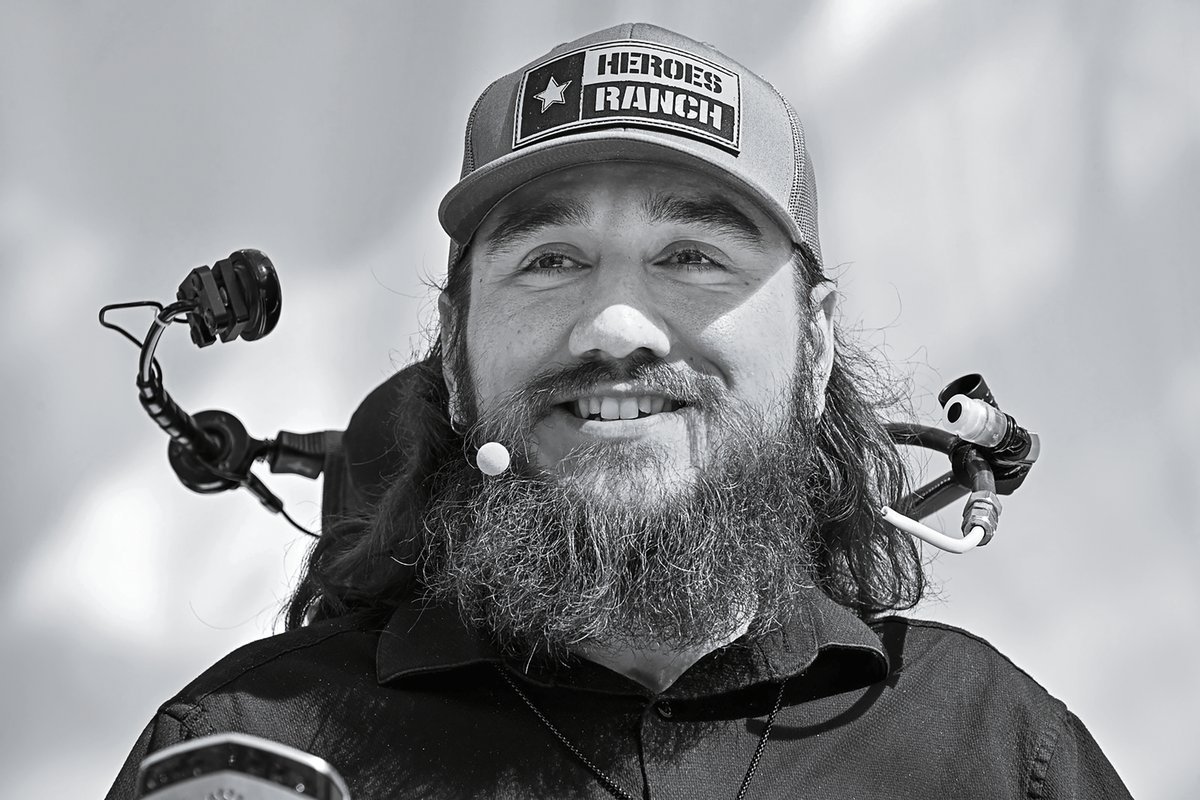
Patients use that link to text, post on social media and play video games without touching a screen. Noland Arbaugh, the first patient, was paralyzed in a diving accident and received his implant in January 2024. He plays Civilization, travels for speaking engagements and is working on a book with a writer. In its first year the company grew from seven patients to 26.
In June 2026 Neuralink announced its first procedure that left the brain’s protective layer, the dura, intact. Adam Marblestone of Convergent Research called it a “big step” that probably leads to a very powerful system.
Synchron takes the gentler route
Synchron’s Stentrode goes in through a blood vessel near the brain, using a catheter in a two-hour surgery, much like a heart stent. A thin wire runs under the skin to a coin-size receiver near the collarbone. No craniotomy is needed.
The trade-off is power. Patients trigger commands by thinking about moving a body part, such as a foot, which software reads as “select.” That’s less direct than Neuralink’s approach, though Synchron users can still operate a computer. In 2025 the company became the first to connect with Apple’s standardized Bluetooth BCI protocol.
Founder and CEO Thomas Oxley, a neurosurgeon, says his company added five patients over the past year and that Neuralink is “going fast” in the brain implant race. Synchron was valued at nearly $1 billion in its latest round. Oxley says a stronger device is coming “soon.” It would read from more parts of the brain and still avoid a craniotomy, and he suggests it could act as a “cognitive copilot” for people with dementia.
What the FDA path looks like
Each company has to pass the same stages. Animal testing comes first, then early feasibility studies in a handful of people. The last stage is a large late-stage study, where the design is locked and a full manufacturing line has to be in place. Oxley calls that a huge investment. Approval would cover patients with a clearly defined medical condition, and insurance would probably help pay.
Chad Bouton, CEO of Neuvotion, which sells a wearable that helps stroke and spinal cord injury patients regain movement, expects an FDA clearance within three or four years.
AI raises the stakes, and the privacy worries
Better AI models should help implants decode intent more accurately. Matt Angle, CEO of Paradromics, imagines users one day directing humanoid robots or software agents with their thoughts. If a user were hungry, he said, the device could work out what they wanted to eat and order it through a delivery app.
Sam Altman co-founded the BCI company Merge Labs in 2025, and OpenAI invested in it early in 2026. A spokesperson said more details would come in a couple of months.
Nita Farahany, a Duke University professor who has written about freedom of thought, warns that companies could know what we want before we do. She also raises workplace surveillance: an implant linked to a work computer could record whether someone is focused or drifting. She doubts the public would accept punitive brain monitoring, though workers already tolerate badge logs and meeting transcripts.
China and Europe are already moving
The brain implant race isn’t only American. China approved the world’s first commercially available BCI in March. Oxley describes the industry there as very fast and very active, and when asked whether that worries him, he said “Yes.” There’s also a security question: if implant hardware is made in China, could that expose users’ private thoughts to a US adversary?
Europe has about five BCI companies, including Spain’s InBrain, which targets Parkinson’s disease. Science Corporation, led by Neuralink cofounder Max Hodak, won European approval for a vision-restoring device in July 2026 and implanted its first patient in October.
Rules are still being written
In 2025 Unesco issued a recommendation on the ethics of neurotechnology, signed by 194 countries. It calls developing BCIs for medical and assistive use an ethical imperative, and asks governments to protect autonomy, freedom of thought and mental privacy. Farahany represented the US State Department in that effort and is now working on a voluntary neurotechnology trust index that would rate how companies perform.
The first FDA approval is likely several years off. When it comes, the winner in the brain implant race will also set the first real norms for who owns the data a brain produces.
Source: Fortune