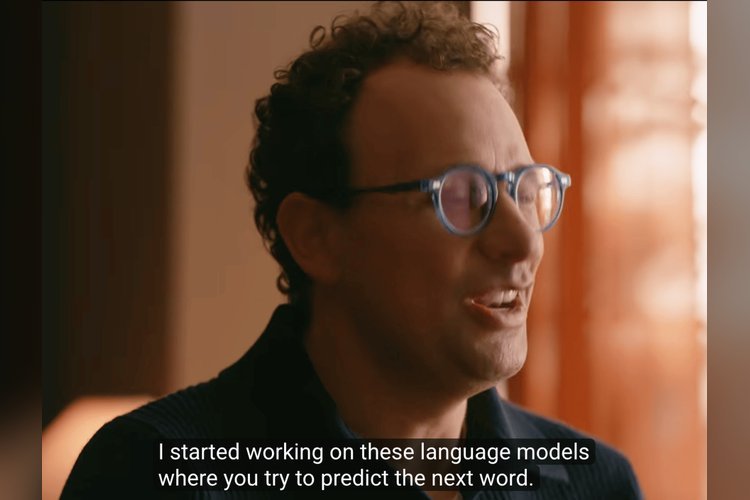
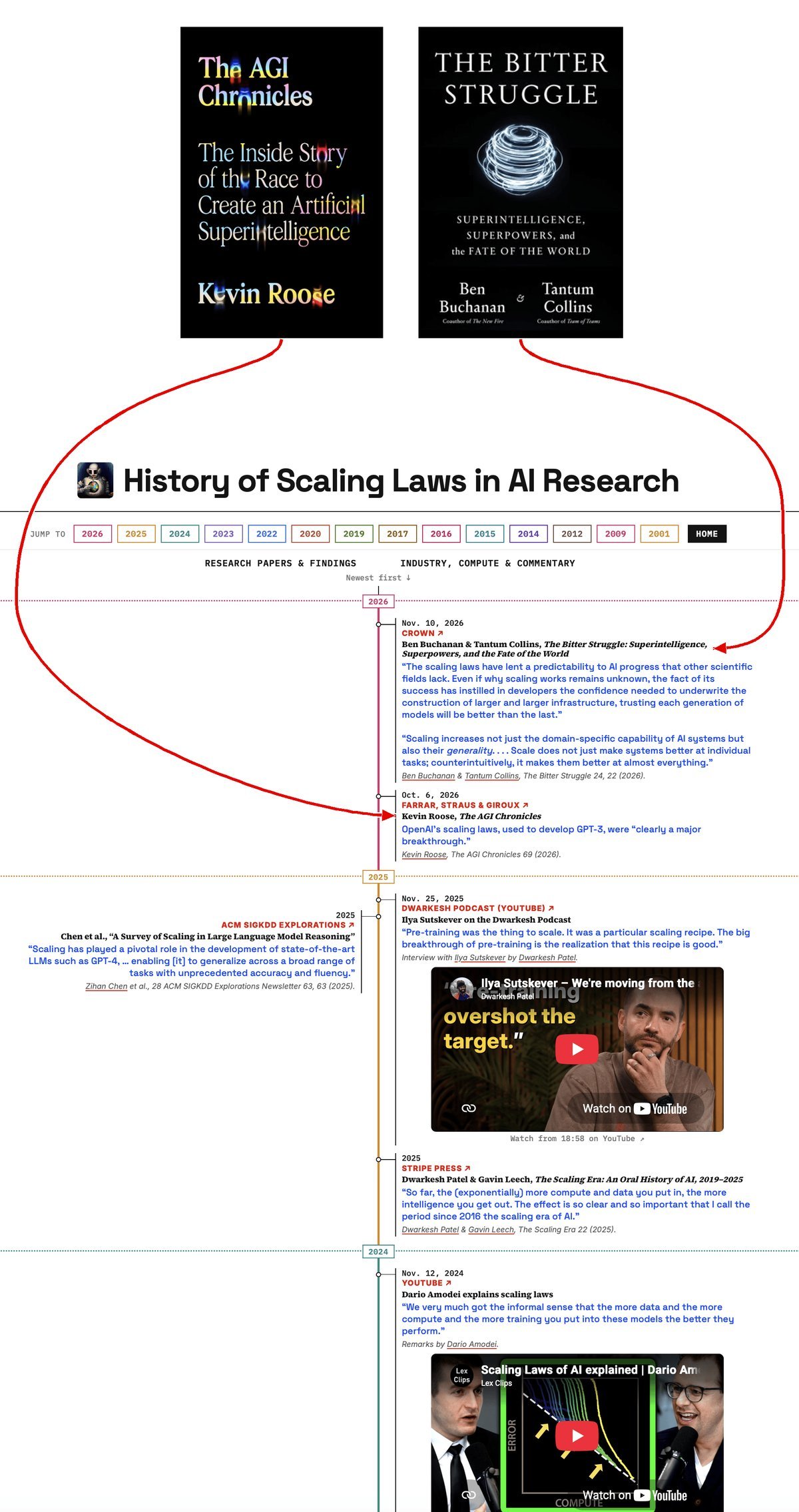
Anthropic’s seven co-founders marked the company’s IPO day with a video that opens on the company’s origins, and the story it tells is about scaling laws. The AI scaling laws idea, that models keep improving predictably as compute and data grow, drove Anthropic’s research from the start. It also helped persuade at least one early backer to write a check.
What the founders’ video stressed
The video went out on the day Anthropic listed. Rather than lead with products or revenue, the seven co-founders went back to the company’s beginnings and framed its research and later success around scaling. The message was that bigger models trained on more compute kept getting better, and Anthropic built its strategy on that bet.
The investor who saw it early
The same thinking shows up on the investment side. Anthropic’s first financing round closed in January 2023, and one of the investors in it, Spark Capital, backed the company largely on scaling arguments.
Yasmin Razavi, who studied engineering at the University of Toronto, where Geoffrey Hinton teaches, reportedly wrote two internal memos urging Spark to invest. Spark did.
On IPO day, Spark partner Clay Fisher described what those memos covered: scaling laws, the power of generality, access to compute, and why the market for intelligence would be far larger than anyone imagined. “Rereading them today, it’s eerie how much she got right,” he said.
That framing carries weight beyond marketing. Scaling laws are the reason labs spend billions on chips and data centers, and the reason a company without a product could raise $450 million in 2023. If the curves had flattened, the funding case would have collapsed. They haven’t, at least not yet, and that is the story Anthropic’s founders chose to tell on the day the public could first buy the stock.
What the bet returned
The numbers are large. Dealroom data shows Razavi led the 2023 round of $450 million at a $4.6 billion valuation, with a $75 million check from Spark. Across six rounds, the firm has put in $777 million. Dealroom puts the return at about 18 times, or roughly $14 billion, for a stake of around 1%.
Those figures are estimates, and the exact value of Spark’s position will move with Anthropic’s share price. Still, they show how far a memo about scaling laws can travel when the thesis turns out to be right.
It also shows how concentrated the payoff was. One early memo, one firm and one round produced a return that Dealroom’s data puts in the billions, which is why the scaling thesis now carries so much weight with investors.
The copyright question
Coverage of the listing largely skipped the copyright lawsuits against Anthropic. They haven’t gone away. Anthropic’s S-1 filing warns of liability if courts reject its position that training AI models counts as fair use.
Nobody knows how courts will rule in these cases or in other AI cases. The outcome could affect what Anthropic owes and how it trains future models.
Why the history matters in court
Scaling is central to that legal fight. AI labs trained on huge volumes of text because their researchers found that more data and more compute produced better models. Supporters of the fair use argument say judges need that background to understand what labs were doing and why, and that the research record on the subject is long and well documented.
Anthropic’s founders put the same theme at the center of their IPO-day message, which means the company’s public story and its legal defense lean on the same history.
- For investors, scaling laws are the case for why the company’s value grew.
- For courts, the same history explains why training used so much data.
- For rival labs, a fair use ruling would set the terms for how they train too.
What happens next
With Anthropic now public, its S-1 risk factors become the document to watch, and the copyright cases are the item most likely to produce news. Rulings on fair use could land at any time, and they will affect more than one company.
Spark’s return will also be tracked as the share price settles. If scaling keeps paying off, the early memos will look prescient. If progress slows, the same laws will become the question investors ask first.
Source: Chat GPT Is Eating the World