
AI pentesting tools are already circulating among threat actors, and a new lab study suggests they help beginners more than they create an autonomous super-hacker. Security researchers combed underground discussions, then installed five open-source tools and ran them against vulnerable targets.
The result is a mixed picture. The tools save effort and add structure, yet they break often and need a person who knows what they’re doing.
What the underground is talking about
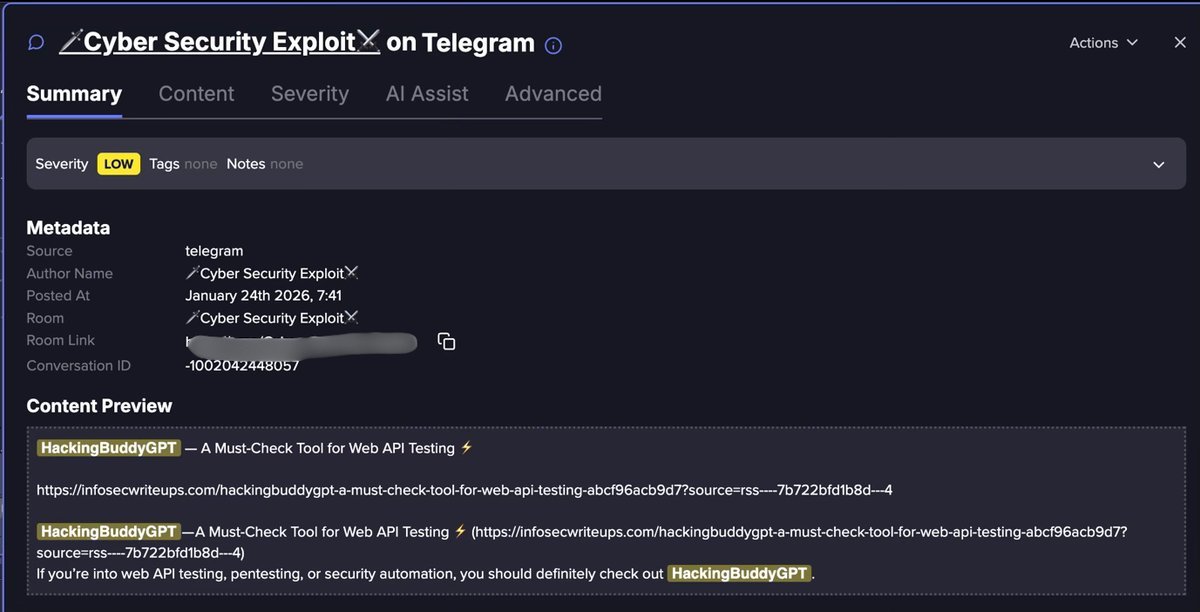
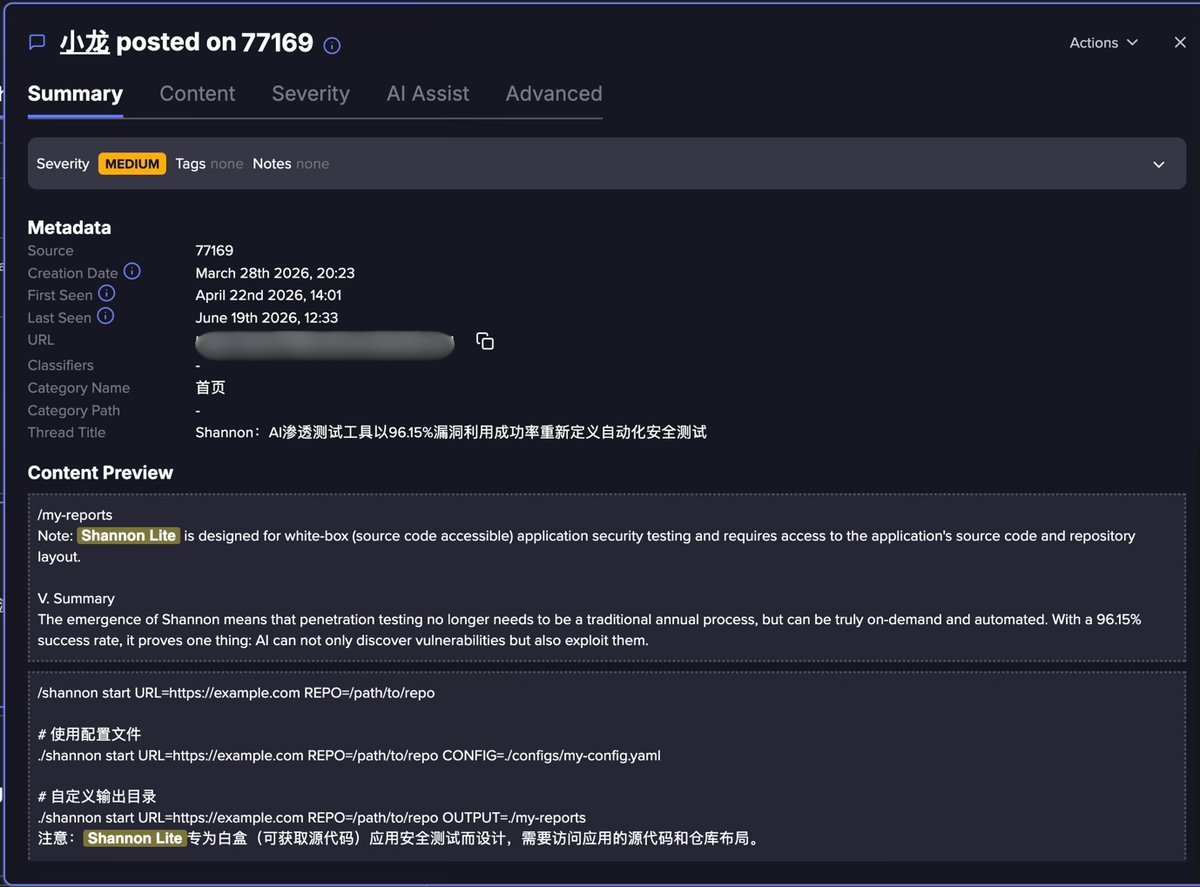
The team counted 3,059 posts across underground environments that mentioned the five tools: PentestGPT, PentAGI, Cybersecurity AI (CAI), HackingBuddyGPT and Shannon Lite. Mentions appeared in forums, messaging platforms and training material.
PentestGPT dominated, with 2,712 of the 3,059 mentions, or 89%. Courses teach attackers how to hack with it, and some posts place it inside a pipeline of AI tools for discovery, vulnerability research and post-exploitation.
PentAGI came second, and its discussion was more practical. Attackers shared real execution output and one Telegram channel published results of its runs. The researchers see that as the strongest sign of operational use. One shared status screen showed a PentAGI setup focused on Web3 and bug bounty research with the Grok model generating hypotheses. It ran several research flows at once and had confirmed no findings.
Shannon Lite and HackingBuddyGPT were barely mentioned. CAI is likely discussed more than the 79 mentions found, since its short name returns millions of unrelated records. The team also saw 401 code repositories that referenced the tools, many of them wrappers that users adapted to their own needs.

The lab results
The researchers built a private lab of Docker deployments with real flaws: WordPress with vulnerable plugins, Laravel with CVE-2021-3129, ActiveMQ with CVE-2023-46604, Tomcat with a weak password, RocketMQ with CVE-2023-33246, and OWASP Juice Shop with its source code for Shannon Lite. A baseline run used Nmap and Nuclei. Each AI tool got only a target, with no ports, services or templates specified.
They scored each tool on how much technical skill it demands. The score is the experience of one researcher, so it is subjective.
- PentAGI gave the strongest end-to-end workflow. It was expensive and heavy to operate.
- Shannon Lite had the most polished source-aware workflow and excellent observability, but it drifted from its target and needed close supervision.
- CAI was cheap and flexible, and worked best as a reasoning and reporting layer over prepared evidence.
- PentestGPT solved capture-the-flag style challenges and reached Laravel, but fit ordinary multi-service assessments poorly.
- HackingBuddyGPT looked like a research prototype. Python and provider problems stopped the live test.
Setup is far from plug and play
The pitch is simple: download the tool, connect a model, give it a target and wait for a report. Reality was messier. The team hit missing dependencies, a broken Docker version, WSL errors, model names that no longer existed and API keys that didn’t work. One agent marked its task complete after taking a screenshot of example.com.
Several tools are open source in name only, because they need a paid AI provider. Polished interfaces also misled. PentAGI and Shannon Lite showed complex workflows in an authoritative tone while results lagged behind the other tools, which can give a user false confidence.
Lower barrier, same need for judgment
A partly skilled user can now get structure, prioritization, commands, documentation and persistence that once took more experience or more people. CAI produced a useful security report with little cost, time or effort, which matters because reporting is a chore for beginners.
The more autonomous tools needed governance. Operators must define scope, set tight cost controls and check the evidence. The researchers conclude the real risk is the ordinary adversary who does reconnaissance more efficiently, organizes findings better, tests more hypotheses and produces convincing output with less effort.
What security teams should do
- Fix actively exploited vulnerabilities first, using CISA’s Known Exploited Vulnerabilities catalog, and include dependencies and CI/CD pipelines.
- Alert on unusual URL enumeration, repeated 401, 403 and 404 responses, and rapidly changing request parameters, correlated by IP, session, account and user agent.
- Rate-limit authentication and sensitive APIs, enforce server-side authorization and enable managed WAF rules.
- Use phishing-resistant MFA for administrators, swap long-lived service credentials for short-lived tokens, and scan repositories with tools such as Gitleaks or TruffleHog.
- Close cloud misconfigurations, trim IAM permissions and monitor underground markets for stolen access.
Limits and what comes next
The targets were known vulnerable applications, so the test says little about finding new zero-days. The study did not cover the ARTEX autonomous penetration testing framework, which the FBI recently documented. Expect these tools to keep improving, so defenders should treat faster, cheaper reconnaissance as the baseline.
Source: Flare | Identity-First Threat Intelligence | Unmatched Visibility into Cybercrime